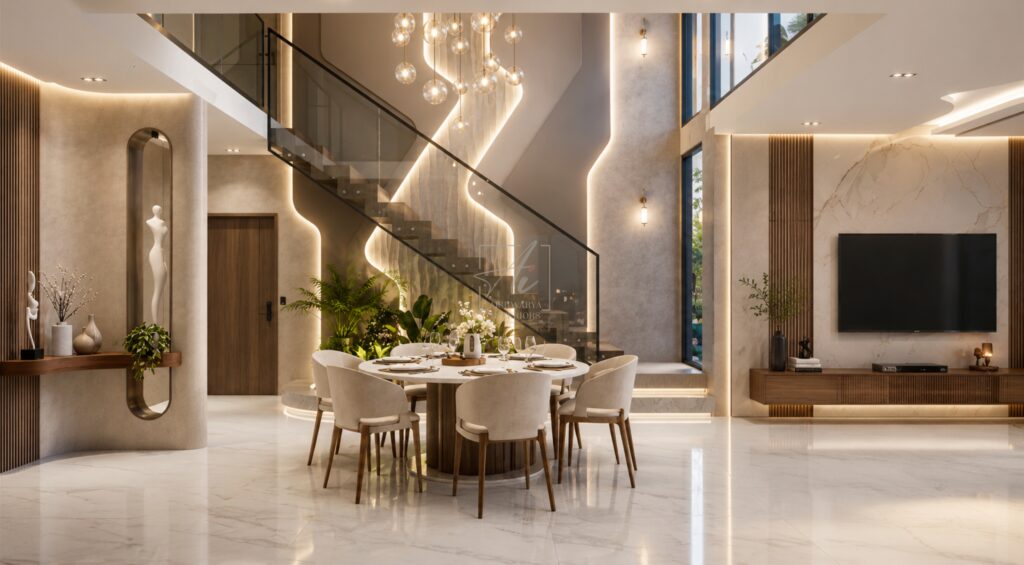
Introduction: The Power of Thoughtful Home Design
Your home is more than just a place to live—it’s a reflection of your personality, your passions, and your dreams. A well-designed space can elevate your mood, boost productivity, and even spark creativity. In a world where we spend so much time indoors, transforming your living environment into an inspiring sanctuary has never been more important. Whether you’re moving into a new space, renovating an old one, or simply looking to refresh your surroundings, creative home design offers endless possibilities. This guide explores innovative ideas to unlock the full potential of your space, turning it into a haven of inspiration and transformation.
Understanding Your Space: Form Meets Function
Before diving into design trends or aesthetic choices, it’s essential to assess your space with intention. The most striking interiors balance beauty with practicality, ensuring that every square foot serves a purpose. Start by evaluating the natural light, room dimensions, and architectural features of your home. Consider how you use each area—is your living room a social hub, a quiet reading nook, or a workspace? Identifying these needs will guide your design decisions and prevent costly mistakes. Remember, great design isn’t just about looks; it’s about creating a space that works seamlessly for you and your lifestyle.
Assessing Your Needs and Lifestyle
Think about your daily routines and how your home can support them. Do you work from home? A dedicated office or a cozy nook with ergonomic furniture might be necessary. Are you an entertainer? Open layouts and multifunctional furniture can make hosting gatherings effortless. Families with children or pets may prioritize durable, low-maintenance materials and storage solutions. By aligning your design with your lifestyle, you create a home that not only looks good but feels right.
Embracing Natural Elements
Incorporating natural elements is a timeless way to enhance any space. Wood, stone, and plants add warmth and texture while improving air quality and mental well-being. Consider adding a living green wall, reclaimed wood accents, or stone countertops to bring the outdoors in. Biophilic design, which focuses on our connection to nature, can reduce stress and increase productivity. Even small touches, like a potted herb garden or a large indoor plant, can make a significant impact.
Color Psychology: Setting the Mood
Color has the power to transform a room’s ambiance, influencing your emotions and perceptions. While trends come and go, understanding color psychology can help you create a space that resonates with you. Warm tones like reds, oranges, and yellows evoke energy and warmth, making them ideal for social areas like kitchens or dining rooms. Cool blues and greens promote calmness and focus, perfect for bedrooms or home offices. Neutrals like beige, gray, and white provide a versatile backdrop that allows other elements to shine. Don’t be afraid to experiment with bold hues or unexpected combinations—color is a powerful tool for self-expression.
Creating a Cohesive Color Palette
To achieve a harmonious look, choose a color palette that flows seamlessly from room to room. Start with a dominant color for walls and large furniture pieces, then layer in secondary and accent colors through decor, textiles, and artwork. Tools like the 60-30-10 rule can help balance your palette: 60% for the dominant color, 30% for secondary shades, and 10% for accents. Test paint samples in different lighting conditions to see how colors shift throughout the day. Remember, the goal is to create a space that feels cohesive and inviting, not cluttered or overwhelming.
Playing with Textures and Finishes
Texture adds depth and dimension to your home, making it feel rich and inviting. Mix materials like velvet, linen, leather, and metal to create visual interest. For example, pair a sleek marble countertop with rustic wooden cabinets, or layer a plush area rug over a hardwood floor. Metallic finishes—gold, brass, or matte black—can add a touch of glamour, while matte surfaces offer a modern, understated look. Don’t overlook the power of tactile elements: a chunky knit throw, a woven basket, or a tactile wallpaper can elevate even the simplest space.
Furniture That Floats: Multifunctional and Space-Saving Solutions
In today’s compact living spaces, furniture that serves multiple purposes is a game-changer. Multifunctional pieces save money, reduce clutter, and maximize every inch of your home. Consider a sofa bed for guest rooms, ottomans with hidden storage, or a dining table that doubles as a workspace. Wall-mounted desks and fold-down tables are excellent for small apartments, while modular shelving units adapt to your changing needs. When selecting furniture, prioritize quality and versatility—pieces that grow with you will always be in style.
Investing in Statement Pieces
While multifunctional furniture is practical, statement pieces add character and personality to your home. A bold armchair, an eye-catching bookshelf, or a vintage rug can serve as the focal point of a room. These items don’t need to be expensive; thrift stores, flea markets, and online marketplaces are treasure troves for unique finds. When choosing a statement piece, consider its scale and how it complements the rest of your decor. A well-placed statement item can tie a room together and spark conversation.
Maximizing Vertical Space
Vertical space is often overlooked but offers incredible opportunities for storage and display. Tall bookcases, wall-mounted shelves, and pegboards utilize unused wall space, keeping floors clear and making rooms feel larger. In the kitchen, open shelving showcases dishes and glassware while adding a curated look. For small bedrooms, lofted beds or bunk beds free up floor space for a desk or seating area. Don’t forget about the ceiling—hanging plants, pendant lights, or even a hanging chair can draw the eye upward and add a whimsical touch.
Lighting: The Unsung Hero of Design
Lighting can make or break a room’s ambiance. It sets the tone, highlights architectural features, and even affects your circadian rhythm. Layered lighting—combining ambient, task, and accent lighting—creates a dynamic and functional space. Ambient lighting, such as ceiling fixtures or floor lamps, provides general illumination. Task lighting, like desk lamps or under-cabinet lights, focuses on specific activities. Accent lighting, including wall sconces or LED strips, adds drama and draws attention to artwork or textures. Dimmer switches are a simple yet effective way to control the mood of any room.
Natural Light Optimization
Maximizing natural light makes spaces feel larger and more inviting. Keep windows unobstructed with sheer curtains or blinds that can be fully opened during the day. Mirrors strategically placed opposite windows reflect light and create the illusion of depth. Skylights and light tubes are excellent for bringing in sunlight to dim areas like hallways or bathrooms. If your space lacks natural light, opt for light-colored walls and glossy finishes to bounce light around the room. Consider adding a sunroom or a glass-enclosed porch to harness the power of daylight year-round.
Creative Lighting Fixtures
Lighting fixtures are an opportunity to make a statement and infuse personality into your home. Pendant lights can define a dining area or add a sculptural element to a living room. Chandeliers aren’t just for formal spaces—modern designs work beautifully in kitchens or even bedrooms. For a cozy vibe, try string lights or lanterns. Industrial-style fixtures, like exposed bulbs or metal cage pendants, add a raw, urban edge. Don’t shy away from bold colors or unusual shapes; lighting is an easy way to inject creativity into your design.
Personal Touches: Making Your Space Truly Yours
At its core, great design is about storytelling. Your home should reflect your journey, your values, and your passions. Personal touches transform a house into a home, making it feel lived-in and loved. Display family photos, travel souvenirs, or heirloom pieces to create a narrative that’s uniquely yours. Artwork, whether it’s a gallery wall of your own creations or a collection of vintage prints, adds character and stimulates conversation. Don’t overlook the power of scent either—candles, diffusers, or fresh flowers can evoke memories and set the mood.
Curating a Gallery Wall
A gallery wall is a fantastic way to showcase your personality and style. Mix and match frames, artwork, and even 3D objects like plates or mirrors for an eclectic look. Start with a focal piece in the center, then build outward with smaller items. Keep the color palette cohesive to maintain visual harmony, or go for an unexpected contrast. If you’re not ready to commit to permanent holes in the wall, consider a modular grid system or a pegboard that allows for easy rearrangements.
Incorporating Sentimental Items
Sentimental items carry emotional weight and add depth to your space. Whether it’s a quilt from your grandmother, a souvenir from your travels, or a DIY project, these pieces tell your story. Display them prominently—on shelves, in shadow boxes, or as part of your decor. If you have limited space, rotate items seasonally or store some away to keep your home feeling fresh. The key is to surround yourself with things that bring you joy and remind you of the people and experiences that matter most.
The Future of Home Design: Sustainable and Smart Solutions
As awareness of environmental impact grows, sustainable design is no longer a niche—it’s a necessity. Eco-friendly materials like bamboo, reclaimed wood, and recycled metal reduce your carbon footprint while adding unique textures to your home. Energy-efficient appliances, smart thermostats, and solar panels not only lower utility bills but also contribute to a healthier planet. Water-saving fixtures and low-VOC paints improve indoor air quality, making your home safer for you and the environment. Even small changes, like switching to LED bulbs or using a programmable irrigation system, can make a big difference.
Smart Home Integration
Technology is revolutionizing the way we live, and smart home devices offer convenience, security, and energy savings. Voice-controlled assistants like Alexa or Google Home can manage lighting, temperature, and entertainment with simple commands. Smart thermostats learn your habits and adjust settings for optimal efficiency, while automated lighting systems create ambiance with the tap of a button. Security cameras, smart locks, and video doorbells provide peace of mind, especially for those who travel frequently. The best part? Many of these systems can be integrated seamlessly into your existing decor, with devices designed to blend in or even disappear into the background.
Adaptable and Modular Designs
The future of home design lies in adaptability. As our needs evolve, so too should our living spaces. Modular furniture, such as sectional sofas with interchangeable pieces or expandable dining tables, allows you to reconfigure your space as needed. Movable walls and sliding doors create flexible layouts that can transform a single room into multiple functional areas. Even the materials we choose are becoming more adaptable—self-healing concrete, smart glass that tints with sunlight, and fabrics that regulate temperature are just a few examples of how design is becoming more dynamic. Embracing these innovations ensures your home remains relevant and functional for years to come.
Conclusion: Your Home, Your Masterpiece
Designing your home is an exciting journey of self-discovery and creativity. It’s about more than following trends—it’s about crafting a space that resonates with who you are and how you live. From maximizing natural light to incorporating personal mementos, every decision shapes the environment you call home. Don’t be afraid to take risks, mix styles, or let your intuition guide you. The most inspiring spaces are those that evolve with you, reflecting your growth and passions over time. So, roll up your sleeves, gather inspiration, and start unlocking the potential of your space. After all, your home should be a masterpiece—one that inspires, comforts, and transforms you every single day.