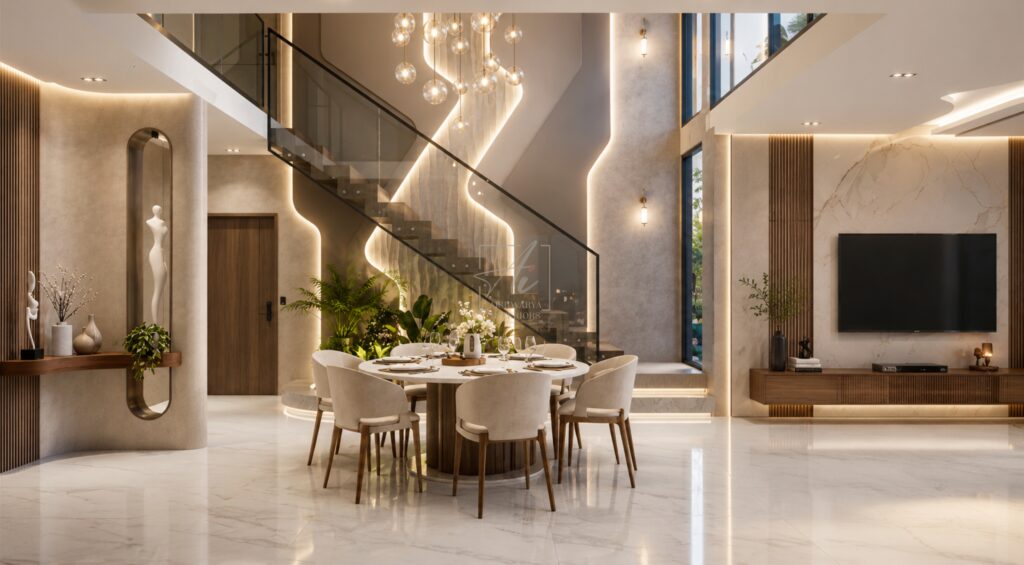
Transforming Spaces: Innovative Home Design Ideas to Revive Your Living Experience
Your home should be more than just a place to live—it should be a sanctuary that inspires, rejuvenates, and reflects your personality. Whether you’re renovating a single room or reimagining your entire living space, innovative design can breathe new life into your environment. From sustainable solutions to smart technology integration, the possibilities are endless. Below, we explore creative ways to transform your home and enhance your daily living experience.
Embrace Sustainable and Eco-Friendly Design
Sustainability isn’t just a trend; it’s a lifestyle choice that benefits both the planet and your well-being. Incorporating eco-friendly materials and energy-efficient systems can reduce your carbon footprint while creating a healthier home. Consider the following ideas to make your space more sustainable:
- Reclaimed and Recycled Materials: Use reclaimed wood for flooring, recycled glass for countertops, or salvaged metal for furniture. These materials add character while minimizing waste.
- Indoor Plants and Green Walls: Bring nature indoors with vertical gardens or large potted plants. They improve air quality, boost mood, and add a touch of biophilic design.
- Energy-Efficient Appliances: Opt for smart thermostats, LED lighting, and ENERGY STAR-rated appliances to cut down on utility costs and energy consumption.
- Low-VOC Paints and Finishes: Traditional paints release harmful chemicals. Choose low-VOC or zero-VOC paints to create a safer indoor environment.
Maximize Space with Multi-Functional Furniture
In urban areas or smaller homes, space is often limited. Multi-functional furniture is a game-changer, allowing you to optimize every square foot without sacrificing style. Here are some innovative solutions:
- Murphy Beds and Sofa Beds: Perfect for guest rooms or studio apartments, these space-savers tuck away when not in use.
- Convertible Tables: Extendable dining tables or coffee tables with hidden storage can serve multiple purposes throughout the day.
- Modular Seating: Sectional sofas with movable pieces let you reconfigure your layout based on your needs.
- Storage Ottomans and Benches: Double as seating and hidden storage for blankets, books, or shoes.
Incorporate Smart Technology for a Futuristic Home
The modern home is smarter than ever, with technology enhancing convenience, security, and entertainment. Smart home devices can be seamlessly integrated into your design without compromising aesthetics. Consider these upgrades:
- Smart Lighting: Systems like Philips Hue or LIFX allow you to control lighting via voice commands or smartphone apps, adjusting brightness and color to suit your mood.
- Automated Climate Control: Smart thermostats such as Nest or Ecobee learn your preferences and optimize energy use for comfort and efficiency.
- Voice-Activated Assistants: Devices like Amazon Echo or Google Home can manage schedules, play music, and even control other smart appliances.
- Motorized Window Treatments: Automated blinds or shades adjust throughout the day to control sunlight and privacy effortlessly.
Play with Color and Texture for a Bold Statement
Color and texture are powerful tools in home design. They can set the tone for a room, evoke emotions, and create visual interest. Don’t be afraid to experiment with bold choices:
- Accent Walls: Use wallpaper, paint, or textured panels to create a focal point in a room. Geometric patterns or nature-inspired designs can add depth.
- Layered Textures: Combine materials like linen, velvet, wood, and metal to create a rich, tactile experience. Rugs, throw pillows, and curtains can all contribute to this effect.
- Mood-Based Palettes: Choose a color scheme that aligns with the room’s purpose. Calming blues and greens work well in bedrooms, while vibrant yellows can energize a kitchen or workspace.
- Metallic Accents: Gold, brass, or matte black finishes can elevate the look of furniture, fixtures, and decor, adding a touch of luxury.
Create Zones for Work, Relaxation, and Entertainment
Modern living often requires balancing multiple activities within the same space. Designing distinct zones can help maintain organization and productivity. Here’s how to do it effectively:
- Home Office Nook: Carve out a dedicated workspace in a quiet corner with ergonomic furniture and good lighting. Use room dividers or bookshelves to separate it from the rest of the room.
- Cozy Reading Area: A window seat with plush cushions or a small armchair near a bookshelf can create a perfect retreat for unwinding.
- Entertainment Zone: Dedicate a corner for a TV, gaming setup, or a mini cinema with ambient lighting and soundproofing.
- Dining and Social Hub: Open-concept layouts can blend dining areas with living spaces, making entertaining easier while keeping the flow smooth.
Incorporate Art and Personal Touches
A home should tell your story. Art and personal decor items add soul and make a space feel uniquely yours. Here are some ways to infuse personality into your design:
- Gallery Walls: Mix framed photos, artwork, and prints to create a dynamic display that reflects your tastes.
- Statement Pieces: Invest in a bold piece of furniture, sculpture, or rug that becomes the centerpiece of a room.
- Handmade and Local Crafts: Support artisans by incorporating handmade ceramics, textiles, or woodwork into your decor.
- Memory Displays: Create a shelf or tabletop vignette with travel souvenirs, heirlooms, or keepsakes that hold sentimental value.
Future-Proof Your Home with Flexible Design
Life changes, and so should your home. Designing with flexibility in mind ensures your space can adapt to your evolving needs. Consider these forward-thinking strategies:
- Open Floor Plans: Removing unnecessary walls creates a more adaptable layout that can evolve with your lifestyle.
- Modular Kitchens: Cabinets and countertops with adjustable heights or movable islands can be reconfigured as needed.
- Convertible Spaces: Guest rooms can double as home offices, or playrooms can transform into teenage retreats with minimal effort.
- Universal Design Principles: Incorporate features like wider doorways, step-free entries, and lever handles to accommodate future accessibility needs.
Final Thoughts: Designing for Joy and Functionality
Transforming your home is about more than just aesthetics—it’s about creating a space that aligns with your lifestyle and brings you joy. Whether you’re drawn to sustainable practices, smart technology, or bold artistic expressions, the key is to design intentionally. Start small with one room, experiment with different elements, and don’t be afraid to take risks. Your home should evolve with you, reflecting not just who you are today, but who you aspire to be.
Ready to embark on your design journey? Gather inspiration, consult with professionals if needed, and most importantly, trust your instincts. After all, the best homes are the ones that feel uniquely yours.