Introduction & Background
In today’s fast-paced world, our homes serve as more than just shelters; they become our personal retreats where we recharge, reflect, and rejuvenate. The concept of transforming living spaces into sanctuaries has gained significant traction, reflecting a growing desire for comfort, tranquility, and personal expression. Whether you live in a bustling city apartment or a spacious suburban house, the design of your home can profoundly impact your well-being and daily happiness. Innovative home design ideas are not just about aesthetics but also about creating an environment that nurtures the mind, body, and soul.
Historically, home design was often dictated by practical needs and cultural norms. However, modern trends emphasize individuality and holistic living, encouraging people to curate spaces that align with their values and lifestyles. From minimalist sanctuaries to cozy, nature-inspired havens, the possibilities are endless. This article explores how you can turn your space into a sanctuary through thoughtful design, blending creativity with functionality to craft a home that truly feels like a retreat.
Concept & Overview
Turning your home into a sanctuary involves more than just decorating; it’s about creating an atmosphere that promotes peace, balance, and joy. At its core, this concept revolves around intentional design choices that prioritize comfort, functionality, and personal expression. A sanctuary space should evoke a sense of calm and order, allowing you to escape the stresses of daily life and reconnect with yourself.
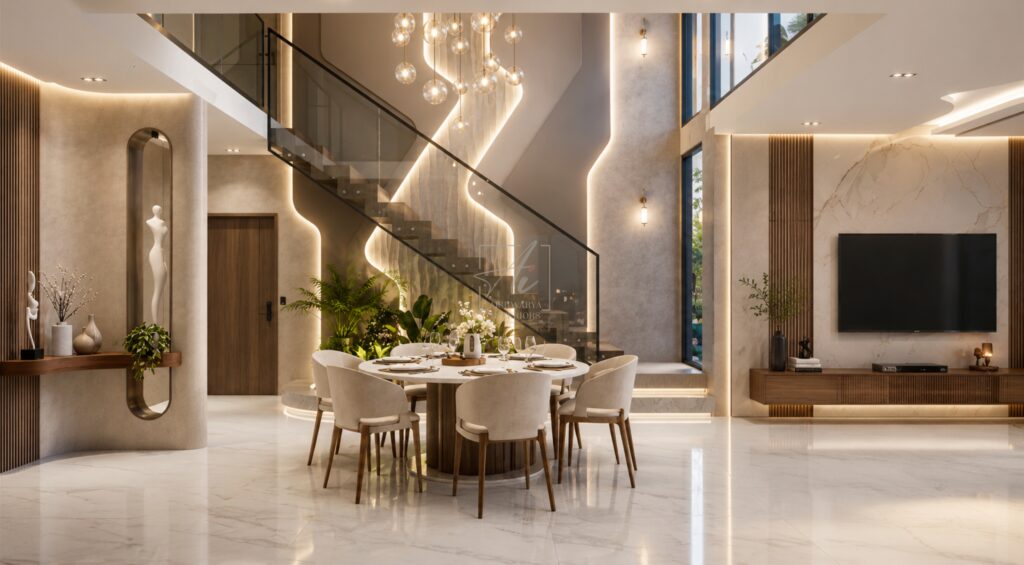
Key principles of sanctuary design include harmony with nature, mindful material selection, and the use of soft lighting to create a soothing ambiance. It also involves decluttering and organizing spaces to foster clarity and reduce anxiety. By thoughtfully combining these elements, you can transform any room into a tranquil retreat that reflects your unique personality and meets your emotional needs. The goal is to craft a home that feels like a personal escape, where every detail contributes to a sense of well-being.
Key Features & Highlights
- Natural Elements: Incorporate materials like wood, stone, and linen to bring the outdoors in and create a grounding atmosphere. Indoor plants also enhance air quality and add a touch of greenery.
- Soft Lighting: Use layered lighting with dimmable bulbs, candles, and warm-toned lamps to create a cozy, inviting glow. Avoid harsh overhead lighting, which can disrupt relaxation.
- Decluttered Spaces: A clutter-free environment reduces visual noise and promotes mental clarity. Opt for smart storage solutions and keep only items that serve a purpose or spark joy.
- Comfortable Textures: Invest in plush rugs, soft throws, and ergonomic furniture to encourage relaxation and physical comfort. These elements make spaces feel more welcoming and lived-in.
- Personal Touches: Display artwork, photographs, and mementos that hold sentimental value. These personal touches make a space feel uniquely yours and foster a sense of belonging.
- Multifunctional Areas: Design spaces that serve multiple purposes, such as a reading nook that doubles as a meditation corner or a guest room that converts into a workspace. This maximizes utility without compromising style.
- Calming Color Palettes: Choose soothing colors like soft blues, earthy greens, and neutral tones to create a serene backdrop. These hues have a proven ability to lower stress and enhance mood.
Frequently Asked Questions / Pros & Cons
What are the biggest challenges in designing a home sanctuary?
The primary challenges include balancing aesthetics with functionality, staying within budget, and maintaining consistency across different areas of the home. Many people struggle with letting go of sentimental items, which can lead to clutter. Additionally, finding the right balance between modern and cozy elements requires careful planning and experimentation.
Are there affordable ways to transform a space into a sanctuary?
Absolutely. Affordable strategies include rearranging existing furniture to improve flow, using paint and textiles to refresh a room, and incorporating DIY decor like handmade cushions or framed artwork. Thrift stores and online marketplaces are great resources for finding unique, inexpensive pieces that add character to your space.
What are the pros and cons of open-concept living spaces?
Pros: Open-concept layouts create a sense of spaciousness, encourage social interaction, and allow natural light to flow freely throughout the home.
Cons: They can be challenging to define specific zones for different activities, leading to a lack of privacy or visual clutter. Sound also travels more easily, which may be an issue in noisy households.
How can small spaces be designed as sanctuaries?
In small spaces, focus on maximizing vertical storage, using multipurpose furniture, and keeping surfaces clear to create an uncluttered look. Mirrors can also make a room feel larger by reflecting light. Opt for light colors and minimalist decor to avoid overwhelming the space.
Is it necessary to hire a professional designer for a sanctuary space?
Hiring a professional is not a requirement, but their expertise can be invaluable in optimizing layouts, suggesting innovative solutions, and ensuring cohesive design. However, with careful research and planning, many people successfully design their own sanctuary spaces without professional help.
Practical Guidance & Solutions
Designing a home sanctuary starts with a clear vision of what relaxation means to you. Begin by identifying the spaces in your home that need the most attention, whether it’s a bedroom, living room, or even a balcony. Start small by decluttering one area at a time and gradually incorporate elements that promote calmness, such as soft lighting or natural textures.
For those with limited space, consider using room dividers made of fabric or wood to create separate zones without closing off the area completely. These dividers can double as decorative pieces while adding a sense of privacy. If you love crafting, try making your own decor items, like woven wall hangings or painted ceramics, to personalize your space in a meaningful way.
Lighting plays a crucial role in setting the mood. Experiment with different light sources, such as salt lamps, fairy lights, or smart bulbs that change color temperature. In the evenings, switch to warmer tones to signal to your body that it’s time to wind down. Don’t forget the power of scent; essential oil diffusers or scented candles can enhance the sensory experience of your sanctuary.
Finally, regularly reassess your space to ensure it continues to meet your needs. As seasons change or your lifestyle evolves, your sanctuary may need adjustments. The key is to remain flexible and open to tweaking your design to keep it aligned with your vision of a peaceful retreat.
Conclusion
Creating a home sanctuary is a journey of self-discovery and intentional living. It’s about crafting a space that not only looks beautiful but also feels deeply nourishing to your mind, body, and spirit. Whether you’re starting with a blank canvas or refining an existing space, the key lies in prioritizing what brings you joy and peace. By thoughtfully integrating natural elements, calming colors, and personal touches, you can transform even the smallest corner into a sanctuary that rejuvenates you every day.
Remember, the goal is not perfection but progress. Every small change you make brings you one step closer to a home that truly feels like a retreat. So, take your time, trust your instincts, and let your space evolve into the sanctuary you deserve. In a world full of noise and distractions, your home can be the quiet haven where you find solace and inspiration.