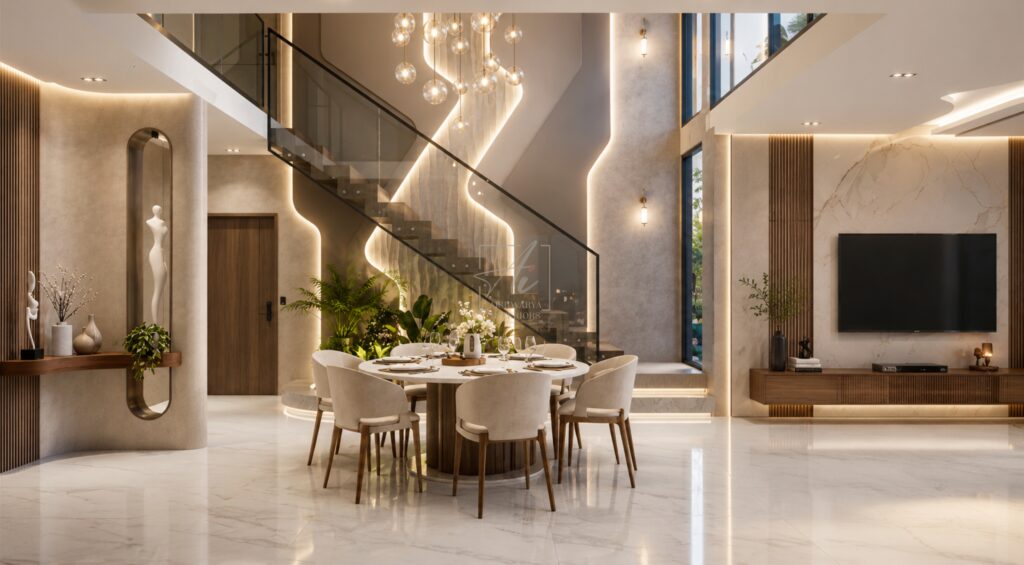
Home design is more than just aesthetics. It reflects personality, lifestyle, and even cultural values. Whether you prefer minimalism, warmth, or bold statements, your home should feel uniquely yours. With countless design styles available, finding the right one can be overwhelming. That’s why we’ve curated a list of 25 unique home design styles to help you transform your space into a reflection of your vision.
From classic elegance to futuristic innovation, these styles cater to diverse tastes and preferences. Each offers distinct characteristics that can influence the mood, functionality, and overall appeal of your home. By exploring these options, you’ll gain insights into how to blend creativity with practicality, ensuring your space is both beautiful and livable.
Introduction & Background
The concept of home design has evolved significantly over the years. Traditionally, homes were built based on local materials and cultural influences. Today, homeowners have access to a vast array of styles from around the world, allowing for greater personalization. A well-designed home not only enhances comfort but also boosts property value and well-being.
Understanding different design styles helps you make informed decisions. Whether you’re renovating, decorating, or building from scratch, knowing the nuances of each style ensures you create a cohesive look. This guide explores 25 unique home design styles, providing inspiration for every taste and budget.
Concept & Overview
A home design style is a set of principles that define the visual and functional aspects of a space. These principles include color schemes, furniture choices, architectural details, and decorative elements. Styles can range from traditional and rustic to modern and avant-garde, each with its own philosophy and aesthetic.
The key to choosing a style lies in understanding your personal preferences and lifestyle needs. For instance, a minimalist style emphasizes simplicity and functionality, ideal for those who value order and tranquility. On the other hand, a maximalist style embraces bold colors, patterns, and textures, perfect for creative individuals who love self-expression.
Another important factor is the architectural style of your home. While some designs complement modern structures, others may suit historic or eclectic buildings. By aligning your preferences with your home’s architecture, you create a harmonious balance that enhances both form and function.
Key Features & Highlights
Here are 25 unique home design styles, each with its defining characteristics:
- Minimalist Design: Focuses on simplicity, clean lines, and a neutral color palette. Furniture is functional and clutter-free, creating an open and airy feel.
- Scandinavian Style: Known for its light colors, natural materials, and cozy textures. It emphasizes hygge, or the concept of comfort and well-being.
- Industrial Style: Inspired by warehouses and factories, featuring raw materials like metal, wood, and exposed brick. It often includes open spaces and utilitarian furniture.
- Mid-Century Modern: A retro style from the 1950s and 60s, characterized by clean lines, organic curves, and a mix of materials like wood, metal, and glass.
- Bohemian Style: A free-spirited, eclectic look that combines vibrant colors, patterns, and textures. It often includes global influences and handmade decor.
- Coastal Style: Evokes the serenity of the beach with light blues, whites, and sandy neutrals. Natural textures like rattan and driftwood are common.
- Rustic Style: Celebrates natural elements like wood, stone, and leather. It often features a warm, earthy color palette and handcrafted furniture.
- Modern Farmhouse: Blends traditional farmhouse elements with modern touches. Think shiplap walls, barn doors, and vintage-inspired decor with a contemporary twist.
- Art Deco: A glamorous style from the 1920s and 30s, featuring bold geometric patterns, metallic finishes, and rich colors like gold, black, and emerald.
- Japanese Style: Inspired by Zen principles, it emphasizes simplicity, natural materials, and harmony with nature. Sliding doors, tatami mats, and minimal decor are key features.
- Mediterranean Style: Inspired by the coastal regions of Southern Europe, it includes stucco walls, terracotta tiles, wrought iron details, and warm earth tones.
- Industrial Modern: A sleek take on industrial design, combining raw materials with contemporary elements like glass and polished metals for a refined look.
- Transitional Style: A blend of traditional and contemporary design, creating a timeless and balanced aesthetic. It often features neutral colors and classic furniture with modern accents.
- Coastal Chic: A more polished version of coastal style, using whites, blues, and grays with elegant furnishings and nautical touches.
- Wabi-Sabi: A Japanese philosophy that embraces imperfection and impermanence. It focuses on natural materials, asymmetry, and a muted color palette.
- Hollywood Regency: A glamorous style inspired by the golden age of Hollywood, featuring bold colors, mirrored surfaces, and luxurious fabrics.
- Farmhouse Style: A cozy, rustic look that emphasizes comfort and simplicity. It often includes open shelving, shiplap, and vintage-inspired decor.
- Jungalow Style: A tropical twist on bohemian design, combining lush greenery, rattan furniture, and bold patterns for a vibrant, relaxed vibe.
- Brutalist Style: A bold architectural style that uses raw concrete and geometric shapes. It’s often associated with urban lofts and modern buildings.
- Cottagecore Style: A whimsical, nostalgic look inspired by rural life. It includes floral prints, vintage furniture, and a soft, muted color palette.
- Maximalist Style: The opposite of minimalism, it embraces bold colors, patterns, and an abundance of decor. Think layered textures, eclectic art, and statement furniture.
- Art Nouveau: A decorative style from the late 19th and early 20th centuries, featuring flowing lines, organic shapes, and intricate details inspired by nature.
- Industrial Chic: Similar to industrial style but with a softer, more refined approach. It includes exposed pipes, concrete floors, and a mix of vintage and modern furniture.
- International Style: A modernist architectural style that emphasizes simplicity, functionality, and the use of industrial materials like steel and glass.
- Retro Style: A nostalgic look inspired by past decades, such as the 1970s or 1980s. It often features bold colors, geometric patterns, and vintage furniture.
Frequently Asked Questions / Pros & Cons
What is the most popular home design style today?
Minimalist and Scandinavian styles remain highly popular due to their simplicity and functionality. However, maximalist and bohemian styles are also trending for those who love bold self-expression.
Which design style is best for small spaces?
Minimalist and Scandinavian styles work well in small spaces because they emphasize openness and light colors. Mirrors and multifunctional furniture can also help maximize space.
Can I mix different design styles in one home?
Absolutely. Mixing styles can create a unique and personalized look. The key is to maintain a cohesive color palette and balance the visual weight of each style.
What is the difference between modern and contemporary design?
Modern design refers to a specific style from the early to mid-20th century, while contemporary design is ever-evolving and reflects current trends. Contemporary spaces often feel more fluid and adaptable.
How do I choose a design style that suits my personality?
Consider your daily habits, color preferences, and the mood you want to create in your home. Visiting showrooms or browsing design magazines can also help you identify what resonates with you.
Pros and Cons of Popular Styles
- Minimalist Style:
- Pros: Creates a clean, uncluttered space that promotes relaxation. Easy to maintain and ideal for small spaces.
- Cons: Can feel cold or impersonal if not balanced with warmth. May lack personality for those who love decor.
- Scandinavian Style:
- Pros: Bright, airy, and cozy. Uses natural materials, which are sustainable and durable.
- Cons: Can be expensive due to the use of high-quality materials. Limited color options may not suit everyone.
- Industrial Style:
- Pros: Durable and low-maintenance. Great for urban lofts and open spaces.
- Cons: Can feel too harsh or cold without the right balance. Not ideal for families with young children.
- Bohemian Style:
- Pros: Highly personal and expressive. Encourages creativity and a free-spirited vibe.
- Cons: Can feel cluttered if not curated well. May not suit those who prefer order and simplicity.
- Maximalist Style:
- Pros: Allows for self-expression and a vibrant, energetic space.
- Cons: Can be overwhelming and difficult to maintain. Requires careful planning to avoid chaos.
Practical Guidance & Solutions
Choosing a design style is just the first step. To bring your vision to life, follow these practical tips:
Start with a mood board: Collect images, fabrics, and color swatches that inspire you. This helps visualize how different elements will work together.
Focus on one room at a time: Redesigning an entire home can be overwhelming. Start with a single room, like the living room or bedroom, to see how the style feels in practice.
Balance form and function: While aesthetics are important, prioritize furniture and layouts that suit your lifestyle. For example, a stylish but uncomfortable sofa won’t be enjoyable in the long run.
Incorporate personal touches: Add decor that reflects your hobbies, travels, or memories. This makes your space truly unique and meaningful.
Lighting matters: Different styles require different lighting. For instance, a cozy bohemian space benefits from warm, layered lighting, while a modern minimalist room needs bright, even illumination.
Don’t forget the details: Small elements like hardware, fixtures, and textiles can make a big difference. Choose finishes that complement your overall design.
Work with professionals if needed: If you’re unsure about structural changes or complex designs, consult an interior designer. Their expertise can save you time and money.
Lastly, be patient and enjoy the process. Designing your home should be a journey of discovery, not a race to the finish line.
Conclusion
Your home is a canvas waiting to be transformed. With 25 unique design styles to choose from, you have endless possibilities to create a space that feels authentically yours. Whether you lean toward the simplicity of minimalism, the warmth of Scandinavian design, or the boldness of maximalism, the key is to choose a style that resonates with your personality and lifestyle.
Remember, trends come and go, but a well-designed home stands the test of time. Don’t be afraid to experiment, mix styles, or evolve your design over the years. The most important thing is that your home reflects who you are and brings you joy every day.
Start small, stay inspired, and watch as your space transforms into a sanctuary of style and comfort. Your dream home is within reach. Happy designing!