The Future of Home Design: Top 5 Trends Shaping Modern Living
Home design is evolving faster than ever, driven by technological advancements, shifting lifestyles, and a growing emphasis on sustainability and wellness. As we look ahead, the homes of the future will not only reflect aesthetic preferences but also prioritize functionality, efficiency, and adaptability. Whether you’re a homeowner, renter, or design enthusiast, understanding these trends can help you create a space that is both forward-thinking and deeply personal. Below, we explore the top five trends that are shaping modern living in 2024 and beyond.
1. Sustainable and Eco-Friendly Design
Sustainability is no longer just a buzzword—it’s a cornerstone of modern home design. Homeowners are increasingly prioritizing eco-friendly materials, energy efficiency, and designs that minimize environmental impact. This trend goes beyond simply adding solar panels; it encompasses a holistic approach to building and living.
Key Elements of Sustainable Home Design
- Natural and Recycled Materials: Bamboo, reclaimed wood, recycled metal, and low-VOC (volatile organic compound) paints are becoming staples in eco-conscious homes. These materials reduce waste and improve indoor air quality.
- Energy Efficiency: Smart thermostats, high-performance insulation, and energy-efficient windows are essential for reducing carbon footprints. Passive house design principles, which focus on minimizing energy consumption through natural heating and cooling, are gaining traction.
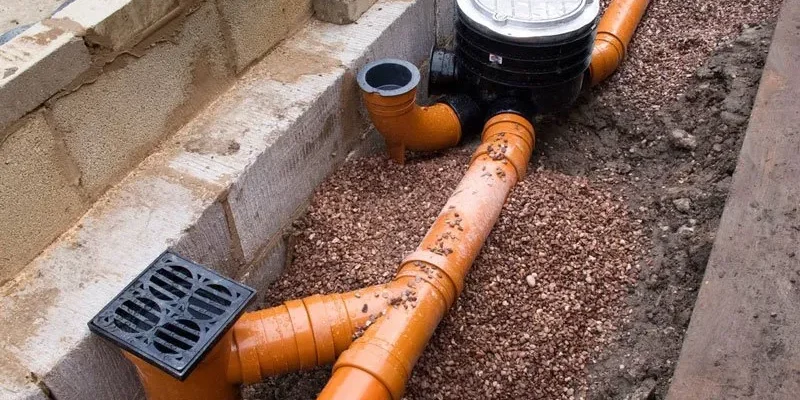
- Water Conservation: Low-flow fixtures, rainwater harvesting systems, and drought-resistant landscaping are being integrated into home designs to conserve water without sacrificing beauty or functionality.
- Biophilic Design: This approach emphasizes the connection between humans and nature by incorporating natural light, indoor plants, and materials like stone and wood. Studies show that biophilic design can reduce stress and boost well-being.
As climate change continues to influence consumer behavior, sustainable home design is not just a trend—it’s a necessity. Expect to see more homes built with cradle-to-cradle principles, where materials are designed to be reused or recycled at the end of their life cycle.
2. Smart Homes and Home Automation
The rise of the Internet of Things (IoT) has revolutionized home design, transforming houses into intelligent, responsive living spaces. Smart home technology is no longer reserved for tech enthusiasts; it’s becoming a standard feature in modern homes, offering convenience, security, and energy savings.
How Smart Technology is Shaping Modern Homes
- Voice-Activated Assistants: Devices like Amazon Echo and Google Home allow homeowners to control lighting, temperature, and security systems with simple voice commands. This hands-free approach enhances accessibility, particularly for the elderly or those with disabilities.
- Automated Climate Control: Smart thermostats like Nest and Ecobee learn user preferences and adjust heating and cooling accordingly, reducing energy waste and lowering utility bills.
- Advanced Security Systems: From smart locks to AI-powered surveillance cameras, home security is becoming more sophisticated. Features like facial recognition and real-time alerts provide peace of mind for homeowners.
- Integrated Home Ecosystems: Platforms like Apple HomeKit and Samsung SmartThings allow different smart devices to communicate with each other, creating a seamless, interconnected home environment. For example, your smart lights could automatically dim when your smart TV turns on.
Looking ahead, the integration of artificial intelligence (AI) will further personalize home automation. Imagine a home that anticipates your needs—adjusting lighting based on your circadian rhythm or suggesting meal plans based on your fridge’s contents. The possibilities are endless as smart home technology continues to advance.
3. Multi-Functional and Flexible Spaces
The days of rigid, single-purpose rooms are fading. Today’s homeowners are embracing flexible, multi-functional spaces that can adapt to changing needs—whether it’s working from home, entertaining guests, or accommodating a growing family. This trend is driven by urbanization, remote work, and the desire for more efficient use of space.
Design Strategies for Flexible Living
- Open-Plan Living: Open-concept layouts that blend kitchens, dining areas, and living rooms remain popular, but they’re evolving to include better-defined zones. For example, a kitchen island can double as a workspace or dining table.
- Modular Furniture: Movable walls, foldable furniture, and convertible pieces (like sofa beds or Murphy beds) allow homeowners to transform a room in minutes. Brands like Resource Furniture and IKEA are leading the charge in modular design.
- Multi-Purpose Rooms: A spare bedroom might also serve as a home office, gym, or guest room. The key is creating storage solutions and layouts that make transitions effortless.
- Outdoor-Indoor Flow: Expanding living spaces to include patios, balconies, and even rooftop gardens blurs the line between indoor and outdoor environments. Sliding glass doors and retractable walls enhance this connection.
As remote work becomes permanent for many, the home office will continue to evolve. Expect to see designs that prioritize ergonomics, natural light, and soundproofing, ensuring that workspaces are both productive and comfortable.
4. Wellness-Centric Design
The pandemic has reshaped our relationship with our homes, turning them into sanctuaries for health and well-being. Wellness-centric design focuses on creating spaces that promote physical, mental, and emotional health through intentional design choices.
How to Design a Health-Focused Home
- Air and Water Quality: High-efficiency air purifiers, humidity control systems, and water filtration units are becoming standard features. Materials like formaldehyde-free cabinetry and non-toxic adhesives also contribute to cleaner indoor environments.
- Lighting Design: Natural light is a top priority, but circadian lighting systems that mimic the sun’s natural rhythm are gaining popularity. These systems adjust color temperature throughout the day to support sleep and energy levels.
- Biophilic Elements: Incorporating greenery, water features, and natural textures can reduce stress and improve air quality. Vertical gardens, indoor trees, and even moss walls are being used to bring nature indoors.
- Soundscapes and Acoustics: Open-plan homes can suffer from poor acoustics, leading to stress and fatigue. Designers are incorporating sound-absorbing materials like acoustic panels, rugs, and soft furnishings to create quieter, more peaceful environments.
- Wellness Rooms: Dedicated spaces for meditation, yoga, or spa-like bathrooms are becoming more common. Features like infrared saunas, cold plunge tubs, and aromatherapy showers enhance relaxation and self-care.
As mental health awareness grows, homes will increasingly be designed as holistic wellness hubs. This trend extends beyond luxury homes—even small apartments can incorporate wellness principles through smart layout choices and thoughtful material selections.
5. Minimalism and Decluttered Aesthetics
Minimalism has been a dominant trend for years, but its evolution in 2024 is marked by a focus on intentional living and clutter-free environments. This philosophy isn’t just about aesthetics; it’s about creating a home that supports a simpler, more mindful lifestyle.
Principles of Modern Minimalist Design
- Less Is More: Clean lines, neutral color palettes, and uncluttered surfaces create a sense of calm and spaciousness. Brands like Muji and West Elm are leading the way with minimalist furniture and decor.
- Hidden Storage: To maintain a tidy appearance, designers are incorporating built-in storage solutions that blend seamlessly with the architecture. Think hidden cabinets, under-stair drawers, and multi-purpose furniture with concealed compartments.
- Quality Over Quantity: Investing in durable, high-quality pieces that stand the test of time is a core tenet of modern minimalism. This approach reduces waste and aligns with sustainable design principles.
- Neutral and Earthy Tones: Warm neutrals like beige, taupe, and soft gray, along with natural wood finishes, dominate minimalist palettes. These colors create a soothing backdrop that allows for personal expression through texture and subtle accents.
- Digital Detox Zones: As our lives become increasingly digital, minimalist homes are incorporating areas designed to disconnect. A cozy reading nook, a tech-free bedroom, or a dedicated meditation space encourages screen-free relaxation.
The minimalist trend is also influencing outdoor spaces, with homeowners opting for low-maintenance gardens, clean-lined patios, and even minimalist outdoor furniture. The goal is to create an environment that feels serene and uncluttered, both inside and out.
Conclusion: Building the Home of Tomorrow, Today
The future of home design is a blend of innovation, sustainability, and personalization. Whether you’re renovating an existing space or building from scratch, incorporating these trends can help you create a home that is not only stylish but also functional, healthy, and adaptable to the changing needs of modern life.
From eco-friendly materials and smart technology to flexible layouts and wellness-focused spaces, the homes of tomorrow are being designed with intention. By staying informed about these trends, you can make choices that align with your values and lifestyle, ensuring that your home remains a sanctuary for years to come.
What trends are you most excited to incorporate into your own space? Share your thoughts in the comments below!