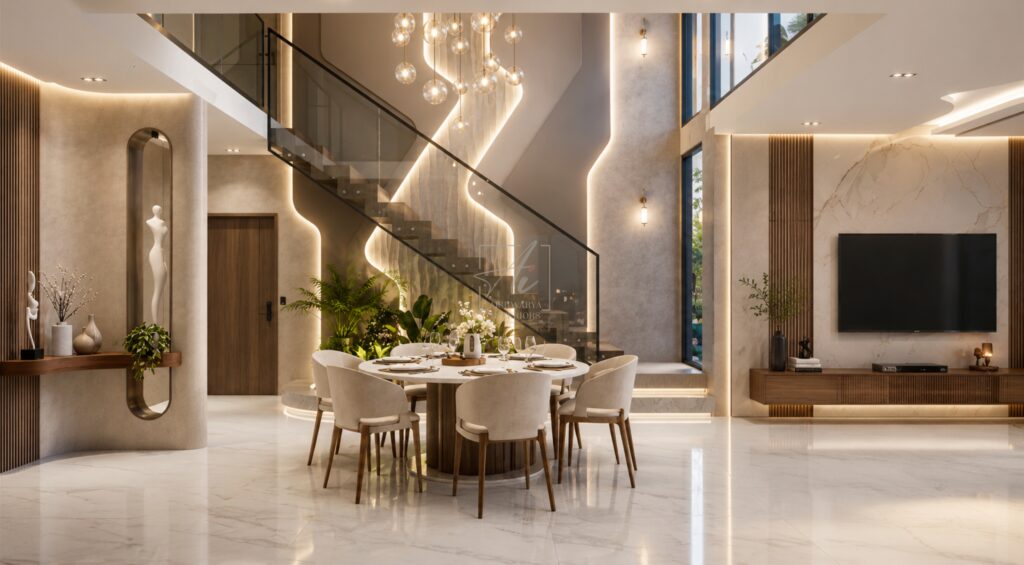
Luxury in interior design is no longer synonymous with excessive ornamentation or an abundance of expensive objects. Contemporary luxury is more nuanced. It is expressed through exceptional craftsmanship, harmonious proportions, tactile materials, sophisticated technology, and spaces that feel effortless to inhabit. This philosophy is shaping the work of luxury interior designers in bangalore, who create residences where refinement and functionality coexist.
Bangalore’s residential landscape provides an intriguing setting for luxury interiors. Sophisticated apartments, expansive villas, elegant penthouses, and individually designed residences offer opportunities for distinctive architectural expressions. Each property possesses its own spatial characteristics, and luxury design begins by understanding those qualities rather than concealing them.
A grand living room, for instance, does not become luxurious merely because it contains expensive furniture. Its sense of grandeur comes from proportion, circulation, lighting, material harmony, and visual balance. True luxury is often quiet.
Creating Bespoke Residential Experiences
Personalisation is fundamental to an elevated interior. A luxury residence should feel unmistakably connected to its occupants, reflecting their preferences, routines, collections, and aspirations.
Bespoke furniture can be designed to fit specific architectural conditions, while custom cabinetry can maximise storage without compromising visual elegance. Tailored upholstery, distinctive lighting, curated artwork, and carefully selected accessories can further reinforce the home’s identity.
This degree of customisation creates an environment that cannot easily be replicated. Every element contributes to a larger composition, from the handle on a cabinet to the texture of a wall finish.
The result is not simply a decorated residence. It is a cohesive experience.
The Art of Material Selection
Materiality plays an important role in luxury interiors. Premium stone, natural timber, brushed metals, glass, leather, handcrafted tiles, and richly textured fabrics can introduce depth and sophistication.
The most successful combinations rely on contrast. A polished stone surface may be balanced by warm timber. Brushed brass can provide a subtle glimmer against a matte backdrop. Soft upholstery can temper the visual hardness of architectural materials.
Natural materials are particularly valuable because their inherent variations create individuality. Veining in stone, grain patterns in timber, and subtle irregularities in handmade surfaces can provide a sense of authenticity that perfectly uniform materials sometimes lack.
Luxury therefore becomes tactile. It is something that can be seen, touched, and experienced.
Designing With Architectural Proportion
Proportion is one of the quietest yet most influential aspects of luxury design. Furniture that is too large can overwhelm a room, while pieces that are too small may diminish its visual presence.
Careful spatial planning establishes equilibrium between furniture, architectural elements, circulation paths, and negative space. Ceilings, doorways, windows, niches, and wall expanses all contribute to the overall composition.
Negative space deserves particular attention. Empty areas are not wasted space when they allow important architectural or decorative features to breathe. A sculptural chair placed within a generous area can have greater impact than several pieces crowded together.
This restraint creates visual serenity.
Illuminating Luxury With Layered Lighting
Lighting can dramatically alter the atmosphere of a luxury residence. Natural daylight establishes the foundational mood, while artificial illumination introduces versatility and drama.
Large windows can maximise daylight, while carefully selected curtains control glare and privacy. Mirrors and reflective materials can amplify brightness without making the interior feel overly glossy.
Artificial lighting should ideally operate in multiple layers. Ambient illumination establishes overall brightness, task lighting supports specific activities, and accent lighting highlights artwork, architectural details, or statement materials.
Concealed lighting can provide a particularly sophisticated effect. A soft glow beneath cabinetry, within architectural recesses, or along ceiling details can create depth without drawing attention to the light source itself.
Integrating Smart Technology
Modern luxury increasingly involves intelligent convenience. Automated curtains, adaptive lighting, integrated audio, sophisticated security, climate control, and home automation can make everyday routines remarkably effortless.
The challenge lies in incorporating these systems without compromising the visual composition. Technology should complement architecture rather than compete with it.
Integrated control systems can reduce visual clutter, while concealed wiring and recessed equipment maintain clean lines. Lighting scenes can be programmed for dining, entertaining, relaxation, or work, allowing a single room to transform according to circumstance.
This is luxury in its most contemporary form: technology that anticipates needs without demanding attention.
Creating Private Retreats Within the Home
Luxury is also about having spaces dedicated to relaxation and personal wellbeing. Bedrooms, dressing rooms, reading corners, home spas, and private lounges can provide moments of tranquillity within busy urban lifestyles.
Bedrooms benefit from calming colour palettes, tactile textiles, controlled lighting, and carefully considered acoustics. Dressing areas can combine elegant cabinetry with efficient organisation. A home spa might incorporate natural stone, subdued illumination, and sophisticated fixtures to establish a restorative atmosphere.
Even small spaces can become luxurious retreats when every detail is carefully considered.
Bringing Nature Into Sophisticated Interiors
Biophilic design can add another dimension to luxury residences. Greenery, natural materials, daylight, water-inspired elements, and views of outdoor landscapes can create a stronger connection with nature.
Indoor plants can soften architectural geometry, while timber and stone provide organic tactility. Large openings can visually extend living areas toward balconies, terraces, gardens, or landscaped courtyards.
In an urban environment such as Bangalore, this connection can be particularly valuable. A beautifully designed residence can become a sanctuary that feels removed from the intensity of city life.
Curating Art and Decorative Details
Luxury interiors often benefit from carefully curated artwork and objects rather than excessive decoration. A single large painting can establish the identity of a room. A sculptural installation can create a compelling focal point. An heirloom can introduce personal history into an otherwise contemporary environment.
The placement of these elements matters as much as the objects themselves. Lighting, wall proportions, sightlines, and surrounding negative space can determine whether an artwork feels incidental or monumental.
This curatorial approach creates an interior with narrative depth. Every significant object has a reason for being there.
Sustainability as Modern Sophistication
Luxury and sustainability are increasingly compatible. Responsible sourcing, durable materials, energy-efficient lighting, natural ventilation, and long-lasting furnishings can contribute to both environmental responsibility and exceptional design.
Choosing quality over quantity is itself a sustainable philosophy. A beautifully crafted piece that remains useful for decades has greater value than an assortment of disposable furnishings.
Locally sourced materials and artisanal craftsmanship can also provide a distinctive identity while supporting traditional skills. The resulting interiors possess an authenticity that cannot be manufactured through superficial embellishment.
Designing Luxury That Endures
The most successful luxury interiors are not dictated entirely by fleeting trends. They establish a timeless foundation and introduce contemporary character through carefully chosen details.
Elegant materials, balanced proportions, adaptable layouts, sophisticated lighting, and personalised furnishings can remain relevant even as decorative fashions evolve. Accessories, artwork, textiles, and selected furniture can then be updated without dismantling the underlying design.
Ultimately, luxury living is about more than visual splendour. It is about comfort, convenience, craftsmanship, privacy, and emotional connection.
A truly luxurious Bangalore residence should feel extraordinary without becoming impractical. It should impress the eye, engage the senses, and support the everyday rituals of those who inhabit it. When architecture, materiality, technology, and personal expression are harmoniously orchestrated, a home becomes an experience in itself, offering an elegant setting for living, entertaining, relaxing, and creating lasting memories.