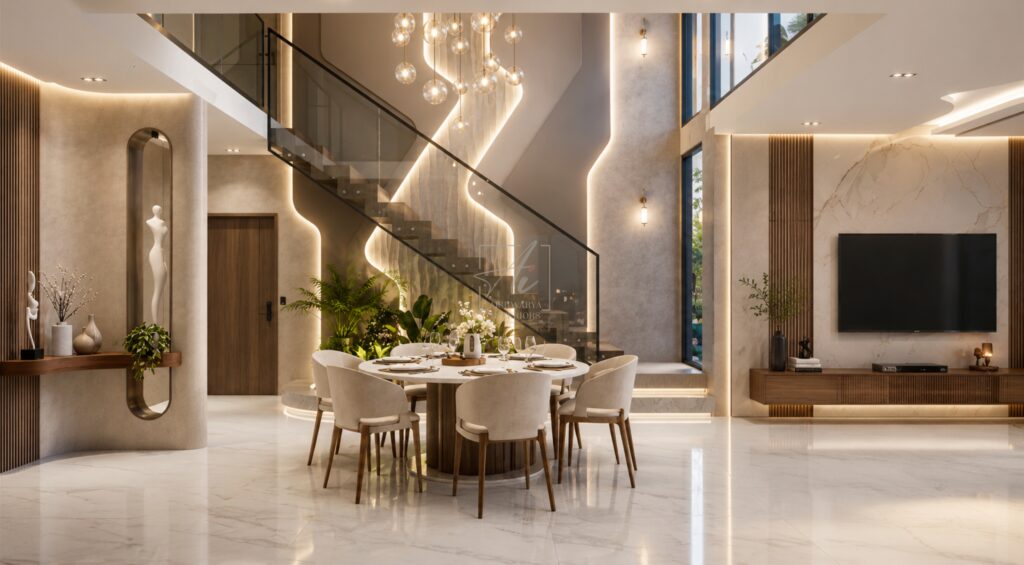
Transforming Spaces: A Fresh Palette of Home Design Styles
In a world where personal expression and comfort intertwine, the way we design our homes has become more than just a functional necessity—it’s a reflection of who we are. The spaces we inhabit shape our moods, inspire our creativity, and offer sanctuary from the chaos of the outside world. Whether you’re a minimalist seeking simplicity or a maximalist embracing boldness, the key to a home that truly resonates lies in understanding and blending different design styles. This guide explores a fresh palette of home design styles, helping you transform your space into a haven that feels uniquely yours.
The Essence of Minimalism: Less Is More
Minimalism is more than just an aesthetic—it’s a philosophy that prioritizes simplicity, functionality, and intentionality. Rooted in the idea that less clutter leads to a clearer mind, minimalist design strips away the unnecessary, leaving only what is essential and meaningful. The color palette is typically neutral, with whites, grays, and beiges dominating the scene, often accented by natural textures like wood or stone. Furniture is sleek and uncluttered, with clean lines and open spaces that promote a sense of calm and order.
To embrace minimalism, start by decluttering. Donate or discard items that don’t serve a purpose or bring joy. Opt for multi-functional furniture, such as a storage ottoman or a wall-mounted desk, to maximize space. Lighting should be soft and diffused, avoiding harsh overhead fixtures in favor of floor lamps or recessed lighting. The goal is to create a space that feels airy, serene, and free from distractions, allowing you to focus on what truly matters.
Maximalism: Bold, Beautiful, and Unapologetic
Where minimalism thrives on simplicity, maximalism revels in abundance. This design style is all about self-expression, layering rich colors, patterns, and textures to create a space that feels vibrant and alive. Think bold wallpapers, eclectic artwork, and a mix of vintage and modern furniture. Maximalism isn’t about chaos—it’s about curated abundance, where every piece has a story to tell. The key is balance: while the space may be filled with color and texture, each element should complement the others rather than compete.
To incorporate maximalist elements into your home, start with a statement piece—a large, bold painting, a patterned sofa, or an antique rug. Don’t shy away from mixing styles and eras; a mid-century modern chair can sit perfectly alongside a Baroque-inspired mirror. Layer textiles like throws, pillows, and curtains to add depth and warmth. The result is a space that feels dynamic, personal, and full of energy, a true reflection of your personality.
Scandinavian Serenity: Cozy and Timeless
Scandinavian design is a celebration of simplicity, functionality, and warmth. Originating from the Nordic countries, this style is characterized by its light, airy spaces, natural materials, and muted color palettes. White walls serve as a backdrop for furniture made from light woods like pine or birch, while soft textiles in neutral tones add comfort and texture. The focus is on creating a cozy, inviting atmosphere that feels both timeless and effortlessly stylish.
To achieve a Scandinavian-inspired space, prioritize natural light. Large windows, sheer curtains, and mirrors can help reflect light and make the room feel more spacious. Choose furniture with clean, gentle curves and avoid excessive ornamentation. Incorporate natural elements like wood, wool, and linen to add warmth and texture. Pops of color can be introduced through accessories like rugs, throws, or artwork, but they should remain soft and subtle. The result is a home that feels tranquil, welcoming, and perfectly balanced.
Industrial Chic: Raw and Refined
Industrial design draws inspiration from warehouses, factories, and urban lofts, embracing raw materials and unfinished looks. Exposed brick, concrete floors, and metal fixtures are hallmarks of this style, which balances ruggedness with a touch of sophistication. The color palette is typically neutral, with grays, blacks, and browns dominating, often punctuated by pops of muted color like deep blues or rusty reds. Furniture tends to be sturdy and functional, with a focus on practicality over ornamentation.
To bring industrial chic into your home, start with the structural elements. If possible, expose beams or brick walls to add character. Opt for furniture made from reclaimed wood, iron, or steel, and choose pieces with a utilitarian aesthetic. Lighting is key—think pendant lamps, exposed bulbs, or industrial-style floor lamps. Incorporate textiles sparingly to soften the space and add warmth. The result is a home that feels edgy, urban, and full of character, a perfect blend of raw and refined.
Bohemian Paradise: Free-Spirited and Eclectic
Bohemian design is all about freedom, creativity, and a love for the unconventional. This style is eclectic and layered, drawing inspiration from global cultures, vintage finds, and nature. Think macramé wall hangings, Moroccan rugs, and a mix of global textiles. The color palette is rich and varied, with jewel tones, earthy hues, and metallic accents creating a sense of warmth and vibrancy. Furniture is often low to the ground, with plush cushions and throws adding comfort and texture.
To create a bohemian-inspired space, start by embracing imperfection. Mix and match patterns, textures, and eras, and don’t be afraid to layer rugs or pile on the pillows. Incorporate global elements like Moroccan lanterns, Indian block-print textiles, or African masks. Plants are a must—they add life and a sense of serenity to the space. The goal is to create a home that feels lived-in, personal, and full of stories, a true escape from the ordinary.
Transitional Elegance: Bridging Old and New
Transitional design is the art of blending traditional and contemporary styles to create a space that feels timeless and balanced. This style takes the best of both worlds—think classic furniture silhouettes paired with modern fabrics or a neutral color palette with bold, unexpected accents. The result is a space that feels sophisticated and inviting, neither too ornate nor too stark. Transitional design is perfect for those who appreciate both history and innovation.
To achieve a transitional look, start with a neutral foundation. Choose furniture with clean lines but classic details, such as a Chesterfield sofa or a pedestal table. Incorporate traditional elements like crown molding or a fireplace mantel, and balance them with modern touches like a geometric rug or a sleek floor lamp. The key is to create harmony between old and new, resulting in a space that feels both familiar and fresh.
Coastal Retreat: Light, Airy, and Relaxing
Coastal design is all about capturing the essence of the seaside—light, breezy spaces filled with natural textures and soft colors. The color palette is inspired by the beach, with whites, blues, and sandy beiges creating a calming atmosphere. Furniture is often made from light woods or wicker, with slipcovered sofas and linen curtains adding to the relaxed vibe. The goal is to create a space that feels like a vacation, a sanctuary where you can unwind and recharge.
To bring coastal charm into your home, start with the color palette. Soft blues, whites, and sandy neutrals should dominate the walls and larger furniture pieces. Incorporate natural materials like rattan, jute, and driftwood to add texture and warmth. Striped textiles, nautical accents, and artwork featuring beach scenes can enhance the coastal theme. The result is a home that feels light, airy, and effortlessly relaxing, a perfect escape from the hustle and bustle of daily life.
Japandi: The Fusion of Japanese and Scandinavian Design
Japandi is a relatively new design trend that combines the minimalist elegance of Japanese aesthetics with the cozy functionality of Scandinavian design. The result is a space that feels serene, balanced, and deeply connected to nature. The color palette is neutral and earthy, with whites, grays, and warm wood tones creating a sense of calm. Furniture is simple and functional, with a focus on craftsmanship and natural materials. The goal is to create a space that feels both modern and timeless, a sanctuary of simplicity and warmth.
To embrace Japandi design, prioritize natural materials like wood, bamboo, and linen. Choose furniture with clean lines and organic shapes, avoiding excessive ornamentation. Keep the space clutter-free, and opt for multi-functional pieces that serve both practical and aesthetic purposes. Incorporate elements of nature, such as indoor plants or a small zen garden, to enhance the connection to the outdoors. The result is a home that feels balanced, harmonious, and deeply peaceful.
Choosing Your Style: A Personal Journey
With so many design styles to choose from, finding the one that resonates with you can feel overwhelming. The key is to start with what you love. Do you crave the simplicity of minimalism, or are you drawn to the boldness of maximalism? Do you prefer the cozy warmth of Scandinavian design or the rugged edge of industrial chic? Your home should reflect your personality, so don’t be afraid to mix and match styles to create something uniquely yours.
Start by gathering inspiration—browse magazines, Pinterest boards, or home design shows to identify the elements that speak to you. Create a mood board or a Pinterest board to visualize your ideas and narrow down your preferences. Remember, there are no strict rules in design. The best spaces are those that feel authentic and personal, a true reflection of the people who live in them.
Final Thoughts: Transforming Your Space, One Step at a Time
Transforming your home is a journey, not a destination. It’s about creating a space that feels like a sanctuary, a place where you can relax, recharge, and be yourself. Whether you choose to embrace minimalism, maximalism, or a blend of styles, the key is to prioritize what brings you joy and comfort. Start with small changes—swap out a throw pillow, rearrange a piece of furniture, or introduce a new color palette—and let your space evolve over time.
Remember, your home should be a reflection of you. It should tell your story, celebrate your passions, and welcome you with open arms at the end of a long day. So go ahead, experiment, take risks, and most importantly, make your space your own. After all, the best-designed homes are not just beautiful—they’re deeply personal.