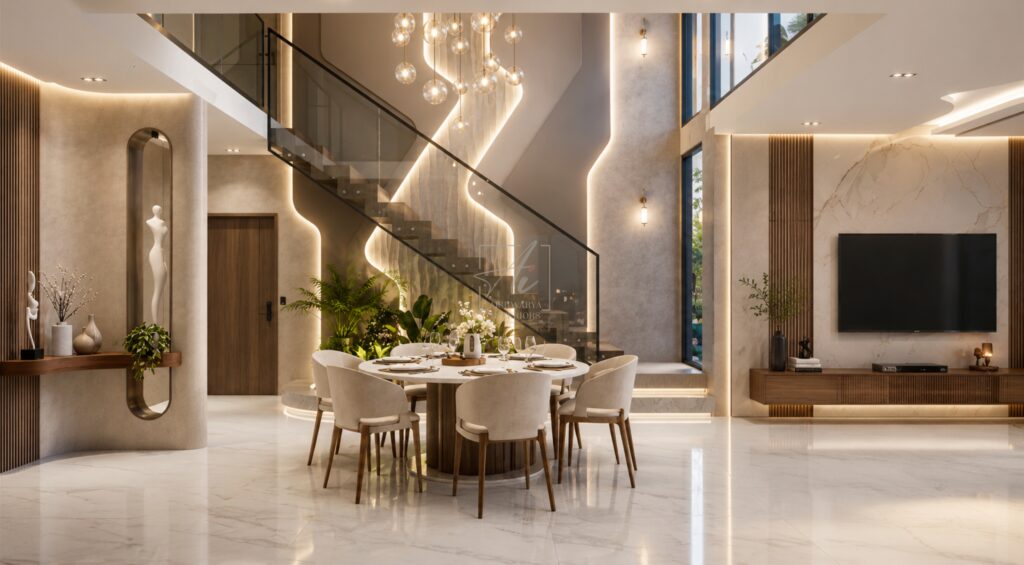
Interior design has evolved into an important part of contemporary living, influencing how people experience homes, offices, retail establishments, cafés, and other commercial environments. In a vibrant neighbourhood such as Indiranagar, interior designers in indiranagar are creating spaces that blend visual sophistication with practical functionality, ensuring that every environment serves its purpose while retaining a distinctive identity.
Indiranagar’s dynamic character provides an intriguing canvas for design. Contemporary apartments, independent houses, offices, boutiques, restaurants, cafés, and creative studios coexist within the neighbourhood. Each property presents a unique combination of architectural conditions, spatial limitations, and functional expectations.
A residential interior should feel personal and comfortable. A commercial space needs to communicate a brand, support operations, and influence customer or employee experiences. Thoughtful design recognises these differences and creates solutions tailored to each environment.
Designing Residential Spaces Around Everyday Life
A home should respond naturally to the routines of its occupants. Furniture placement, circulation, storage, lighting, materials, and colour all influence whether a residence feels comfortable and intuitive.
Living rooms can be arranged to encourage conversation while preserving clear movement paths. Dining areas can connect naturally with kitchens and social spaces. Bedrooms benefit from calming colours, layered textures, practical storage, and carefully controlled illumination.
Contemporary households often require adaptable spaces. A spare room may serve as a guest bedroom and home office, while a quiet corner can become a reading area or creative workspace. Flexible furniture and integrated storage allow interiors to evolve without losing their visual cohesion.
Personalisation adds emotional depth. Artwork, family photographs, books, heirlooms, and collected objects can make a residence feel distinctive rather than formulaic.
Maximising Space Through Intelligent Planning
Efficient planning is particularly valuable in urban residences where floor area may be limited. The objective is not simply to fit more furniture into a room but to make every element contribute meaningfully to the overall environment.
Built-in wardrobes can use vertical space, while integrated shelving can transform empty walls into useful storage. Concealed cabinets help maintain visual clarity, and multifunctional furniture can allow one area to support several activities.
Open-plan interiors can be divided through subtle visual cues. Rugs, furniture orientation, lighting, ceiling details, and material changes can establish separate zones without constructing physical barriers.
Larger residences require proportionate planning as well. Oversized rooms can feel disconnected when furniture is too small, while excessive furnishings can create visual congestion. Balanced proportions establish a more harmonious composition.
Developing Sophisticated Commercial Interiors
Commercial interiors operate under a different set of requirements. They need to express identity while supporting practical activities.
Offices should encourage productivity, collaboration, communication, and concentration. Reception areas create first impressions, meeting rooms require suitable acoustics and privacy, while workstations benefit from ergonomic furniture and effective lighting.
Retail environments depend heavily on visual communication. Product displays, circulation routes, shelving, lighting, colour, and signage can guide customers while reinforcing a brand’s personality.
Restaurants and cafés require particular attention to atmosphere. Seating comfort, acoustic control, material selection, lighting, and spatial arrangement all influence how customers perceive the establishment.
A successful commercial interior therefore becomes part of the brand experience rather than merely a backdrop.
Establishing a Distinctive Visual Language
Every successful interior benefits from a coherent aesthetic direction. Minimalist spaces may emphasise clean geometry and restrained palettes, while eclectic environments can combine contrasting colours, patterns, and materials.
Colour establishes the emotional character of a space. Soft neutrals can create serenity, earthy tones can provide warmth, and darker shades can introduce depth. Accent colours can add energy when used selectively.
Texture creates another dimension. Timber, stone, glass, metal, linen, leather, cane, and woven materials can be combined to create tactile richness.
Material contrast is particularly effective. A smooth surface against a rough finish, warm timber beside cool stone, or soft upholstery against crisp metal can generate visual rhythm without excessive decoration.
Using Lighting to Transform Interiors
Lighting can dramatically influence the appearance and atmosphere of an interior. Natural daylight should be incorporated wherever possible, while artificial illumination should respond to specific activities and moods.
Large windows can maximise sunlight, while curtains and blinds provide control over glare and privacy. Reflective surfaces can help distribute light through darker areas.
Artificial lighting works best in layers. Ambient lighting provides general illumination, task lighting supports activities, and accent lighting draws attention toward artwork, products, architectural details, or decorative features.
In commercial environments, lighting can become part of the brand language. A boutique can use focused illumination to highlight merchandise, while a restaurant can create intimacy through warmer, softer lighting.
Lighting does not simply reveal an interior. It helps choreograph the experience of it.
Selecting Materials for Beauty and Performance
Material selection influences aesthetics, durability, maintenance, and sensory quality. Natural timber can introduce warmth, stone can provide permanence, glass can enhance openness, and metal can contribute contemporary precision.
Residential materials should support everyday comfort and longevity. Commercial environments may require more robust finishes because of higher foot traffic and frequent use.
Sustainable materials can also contribute to distinctive interiors. Reclaimed timber, natural fabrics, locally produced surfaces, and responsibly sourced finishes can create character while supporting a more conscious approach to design.
The strongest material palettes are rarely the most complicated. They rely on carefully considered relationships between surfaces.
Bringing Nature Into Urban Environments
Biophilic design can soften the intensity of urban surroundings. Plants, natural materials, daylight, and visual connections with outdoor spaces can create a more restorative atmosphere.
Residential interiors can incorporate greenery through indoor plants, balcony gardens, timber furniture, woven materials, and natural stone. Commercial spaces can use planted partitions, green walls, or carefully positioned vegetation to establish visual freshness.
Natural elements can also influence customer perception. A café with abundant greenery may feel relaxed and welcoming, while an office with plants and daylight can feel more approachable.
The approach does not need to be elaborate. A few carefully selected organic elements can significantly change the atmosphere.
Integrating Smart Technology Seamlessly
Contemporary interiors increasingly incorporate smart technology. Automated lighting, motorised curtains, security systems, climate controls, integrated audio, and connected devices can improve convenience and efficiency.
Technology should be integrated discreetly. Wiring, speakers, equipment, and control panels can be concealed within walls, ceilings, and cabinetry to preserve clean architectural lines.
In commercial settings, digital infrastructure can also improve operations. Automated lighting and climate systems can respond to occupancy, while flexible connectivity can support modern working arrangements.
The best technological integration is often almost invisible. It enhances the environment without competing with its aesthetic character.
Prioritising Comfort and Human Experience
The success of an interior ultimately depends on how people experience it. Ergonomics, acoustics, circulation, lighting, temperature, and visual comfort all contribute to wellbeing.
A stylish office with poor acoustics can quickly become distracting. A fashionable restaurant with uncomfortable seating may discourage customers from staying. A beautiful home without adequate storage can become difficult to maintain.
Human experience therefore needs to remain at the centre of design decisions.
Comfort is not an afterthought. It is part of elegance.
Adding Identity Through Thoughtful Details
Decorative elements can provide the final layer of personality. Artwork, sculptures, books, photographs, textiles, and handcrafted objects can reinforce the identity of a space.
Residential interiors can use meaningful belongings to tell personal stories. Commercial environments can use curated objects, graphics, signage, and branded details to communicate a company’s character.
Curation is more effective than accumulation. A few distinctive objects with sufficient breathing room can create stronger visual impact than numerous unrelated decorations.
These details transform a technically competent interior into a memorable environment.
Designing for Long-Term Value
A well-designed interior should remain useful and appealing as circumstances change. Flexible layouts, durable materials, adaptable furniture, and timeless architectural foundations can reduce the need for frequent renovation.
Residential spaces can evolve alongside families and changing work patterns. Commercial spaces can accommodate growth, rebranding, or new operational requirements when their underlying layouts are sufficiently adaptable.
Sustainability naturally complements this philosophy. Durable products, responsible sourcing, energy-efficient systems, and quality craftsmanship can contribute to both environmental responsibility and long-term value.
Elevating Residential and Commercial Interiors
Indiranagar’s energetic mix of homes and businesses creates a remarkable setting for thoughtful interior design. Its residential spaces demand comfort and individuality, while its commercial environments require identity, functionality, and memorable customer experiences.
The finest interiors bring these requirements together through disciplined planning, sophisticated materials, carefully layered lighting, smart technology, and personal expression.
A successful residence should feel effortless to inhabit. A successful commercial space should feel purposeful and distinctive.
When aesthetics and functionality are carefully orchestrated, interior design becomes more than decoration. It shapes how people move, work, relax, interact, and connect with their surroundings, creating environments that remain useful, expressive, and compelling long after the initial design has been completed.