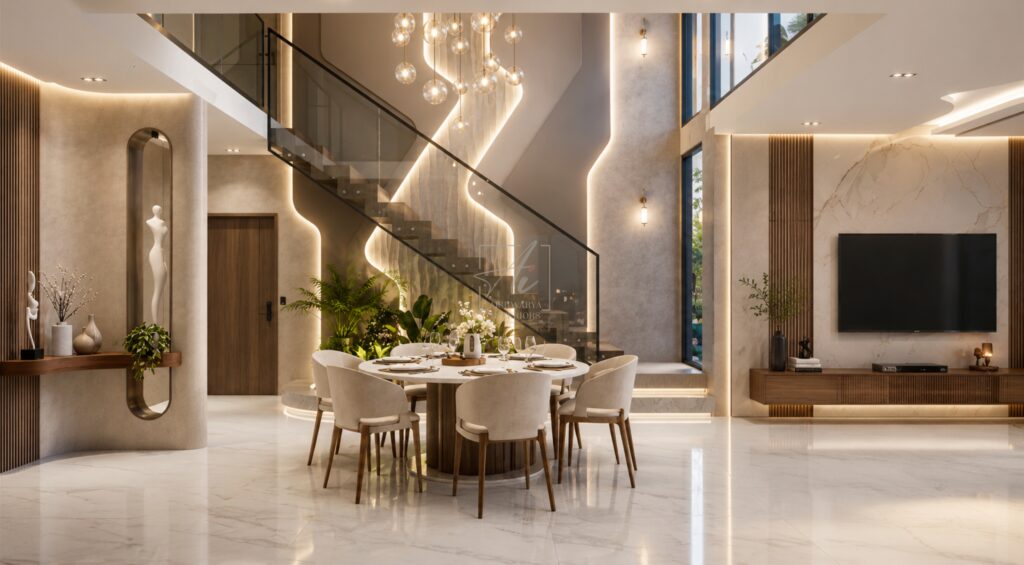
10 Creative Ways to Transform Your Home with Unforgettable Design Styles
Your home is more than just a place to live—it’s an extension of your personality, a sanctuary where memories are made, and a canvas for self-expression. Whether you’re moving into a new space or simply craving a fresh look, transforming your home with unforgettable design styles can breathe new life into every corner. The key is to blend creativity with intentionality, turning ordinary rooms into extraordinary statements that reflect your unique taste. From bold color palettes to unexpected textures, the possibilities are endless. Below, we explore ten creative ways to reimagine your home, ensuring every space feels inspired and distinctly yours.
1. Embrace Biophilic Design for a Calming Retreat
Biophilic design connects you with nature, even indoors, to create a serene and revitalizing atmosphere. This style integrates natural elements like wood, stone, plants, and water features to reduce stress and enhance well-being. Start by incorporating large indoor plants, such as a fiddle-leaf fig or a snake plant, to add life and freshness. Use organic materials like rattan furniture, jute rugs, or reclaimed wood accents to bring texture and warmth. Maximize natural light with sheer curtains and strategically placed mirrors to amplify brightness. Even small touches, like a living green wall or a pebble-framed mirror, can make a significant impact. The goal is to blur the lines between indoors and outdoors, fostering a peaceful, nature-inspired environment that feels both grounding and rejuvenating.
2. Mix Vintage and Modern for Timeless Elegance
Combining vintage and modern elements creates a layered, sophisticated aesthetic that feels both curated and lived-in. Start by selecting a few statement vintage pieces—a mid-century modern armchair, an antique brass lamp, or a vintage rug—to serve as focal points. Pair these with sleek, contemporary furniture to balance the old and the new. For example, place a vintage sideboard against a minimalist dining wall, or style a modern coffee table with antique decor items. Texture plays a crucial role here; mix materials like velvet, leather, and polished wood to add depth. Don’t be afraid to experiment with bold contrasts, such as pairing a chrome dining set with a distressed farmhouse table. The result is a home that feels rich in history yet fresh and dynamic.
3. Play with Moody Color Palettes for Drama and Depth
While light and airy spaces are popular, moody color palettes can transform your home into a cozy, dramatic haven. Deep blues, rich emerald greens, and warm terracotta tones evoke a sense of luxury and intimacy. Start by choosing a dominant color for your walls—think navy blue in the living room or charcoal gray in the bedroom—and layer in complementary shades through furniture, textiles, and decor. Velvet or silk upholstery in jewel tones can add opulence, while metallic accents like gold or brass fixtures introduce a touch of glamour. Balance these dark hues with lighter elements, such as a cream sofa or white-washed wood floors, to prevent the space from feeling overwhelming. Moody interiors are perfect for creating a cocooning effect, making your home feel like a retreat from the outside world.
4. Incorporate Textured Walls for Visual Interest
Textured walls add dimension and character to any room, turning flat surfaces into works of art. There are countless ways to achieve this look, from traditional methods like Venetian plaster to modern techniques like 3D wall panels or grasscloth wallpaper. For a rustic feel, consider limewash or whitewash treatments that give walls a soft, aged appearance. Alternatively, use textured paint with a sponging technique to create subtle patterns or opt for a bold geometric design with stencils. In smaller spaces, textured walls can make a significant impact without overwhelming the room. For example, a single accent wall in a bedroom can serve as a stunning backdrop for artwork or a statement headboard. The key is to choose textures that align with your personal style and the room’s overall vibe.
5. Create a Gallery Wall That Tells Your Story
A gallery wall is a powerful way to personalize your space and showcase your passions, memories, and artistic tastes. Start by selecting a cohesive theme—whether it’s a collection of family photos, travel souvenirs, or framed art prints. Arrange your pieces in advance on the floor to experiment with layouts before hanging. Mix frame styles and sizes for an eclectic look, or stick to a uniform color scheme for a more polished appearance. Consider incorporating unexpected elements like mirrors, postcards, or even small shelves with tiny plants or trinkets. The arrangement can be symmetrical for a formal feel or asymmetrical for a more relaxed vibe. A well-curated gallery wall not only adds visual interest but also sparks conversation and reflects the unique narrative of your life.
6. Transform Your Lighting for Ambiance and Function
Lighting is one of the most transformative elements in interior design, yet it’s often overlooked. The right lighting can set the mood, highlight architectural features, and enhance the functionality of a space. Layer your lighting by combining ambient, task, and accent lighting. Start with a statement fixture, like a chandelier or pendant light, to anchor the room. Add table lamps or floor lamps for task lighting in areas like reading nooks or home offices. Use accent lighting, such as LED strips or wall sconces, to draw attention to artwork, shelves, or textured walls. Don’t underestimate the power of dimmers, which allow you to adjust the brightness to suit any occasion. For a unique touch, consider unconventional lighting options like neon signs, salt lamps, or even fairy lights draped across a ceiling or bookshelf.
7. Design a Cozy Reading Nook for Relaxation
A dedicated reading nook is a dreamy addition to any home, offering a quiet escape for relaxation and reflection. The key to designing this space is comfort and intimacy. Start by identifying a corner with good natural light, such as near a window or under a skylight. Add a plush armchair or a small loveseat with soft cushions and a cozy throw blanket. A side table or a slim bookshelf can hold your favorite reads and a warm cup of tea. Consider installing built-in shelves or a window seat for a built-in look. Lighting is crucial here—opt for a floor lamp with a warm bulb or a small table lamp for soft, ambient glow. Personalize the space with a few decorative items, like a stack of books, a framed quote, or a small plant. This nook becomes a sanctuary for unwinding, reading, or simply enjoying a moment of calm.
8. Use Mirrors to Expand and Elevate Your Space
Mirrors are a designer’s secret weapon for making rooms appear larger, brighter, and more luxurious. Strategically placed mirrors can reflect light, create the illusion of depth, and draw attention to architectural details. Choose mirrors in unique shapes, such as arched, round, or geometric, to add visual interest. A large floor-length mirror can make a narrow hallway feel more spacious, while a collection of smaller mirrors arranged in a gallery style can serve as a stunning focal point. For a touch of glamour, opt for mirrors with ornate frames or metallic finishes. In dimly lit rooms, a mirror placed opposite a window can amplify natural light and brighten the space. The trick is to use mirrors not just as functional objects, but as decorative elements that enhance the overall design.
9. Incorporate Global Influences for a Worldly Aesthetic
Bringing global influences into your home is a fantastic way to create a space that feels eclectic, cultured, and full of personality. Start by exploring design traditions from different cultures, such as Moroccan lanterns, Japanese shoji screens, or Scandinavian minimalism. Use textiles like kilim rugs, ikat fabrics, or embroidered throws to add warmth and texture. Incorporate handcrafted items like brass candle holders, ceramic vases, or woven baskets to infuse authenticity. Don’t be afraid to mix patterns and materials—just keep a unifying color palette to tie everything together. For example, a bohemian living room might feature a Persian rug paired with a rattan chair and a Moroccan pouf. The goal is to celebrate diversity and create a home that feels like a curated collection of the world’s treasures.
10. Experiment with Unexpected Furniture Pairings
The furniture you choose sets the tone for your home, but it’s the unexpected pairings that make a space truly unforgettable. Instead of sticking to one style, mix and match furniture pieces to create a dynamic, personalized look. For example, pair a sleek, modern sofa with a vintage coffee table or combine a farmhouse dining table with contemporary chairs. The contrast between old and new, soft and hard, or bold and subtle can add visual intrigue and depth. Don’t shy away from unconventional materials either—think acrylic chairs with a wooden dining set or a leather sofa with a glass side table. The key is to maintain balance by repeating colors or materials throughout the space to create cohesion. When done thoughtfully, these unexpected pairings can make your home feel curated and full of character.
Transforming your home is an exciting journey of self-expression and creativity. Whether you’re drawn to the calming embrace of biophilic design, the timeless elegance of vintage-modern fusion, or the bold drama of moody color palettes, the possibilities are endless. By incorporating these ten creative design styles, you can craft a home that not only reflects your personality but also feels uniquely yours. Remember, the best spaces are those that evolve with you, so don’t be afraid to experiment, mix, and adapt until you achieve a look that feels both inspiring and authentic. Your home should be a celebration of who you are—so let your creativity shine!