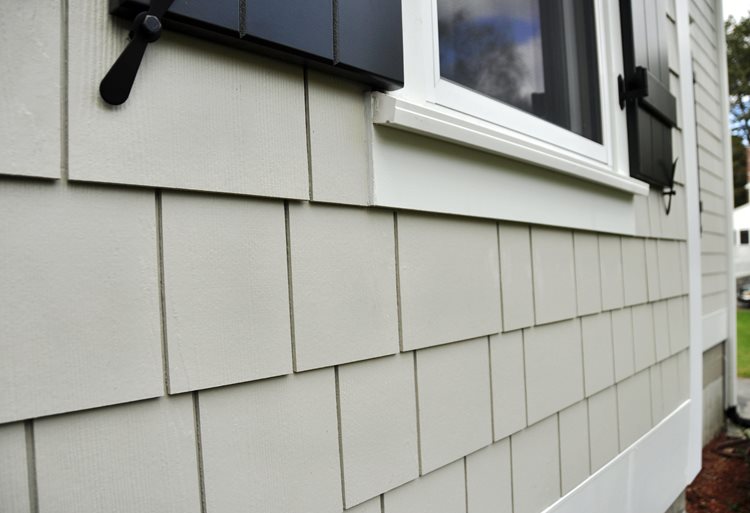
As homeowners and builders navigate the choices for exterior finishes in 2025, one material consistently rises to the top of the preference list: Nichiha Fiber Cement Siding Products – Concrete Panel Siding. Far more than just a passing trend, its dominance is the result of a powerful combination of practical performance, enduring aesthetic versatility, and a compelling long-term value proposition that few other materials can match. In an era where resilience against extreme weather and a desire for low-maintenance living are paramount, fiber cement lap siding has established itself as the modern standard for residential and light commercial construction, offering a solution that is both responsible and beautiful.
Lap siding, defined by its characteristic horizontal planks that overlap to shed water, is the traditional look of American homes. Fiber cement takes this timeless silhouette and injects it with twenty-first-century durability. The material itself is a composite blend of cellulose fibers (wood pulp), cement, sand, and water. This specific, dense formulation creates a product that shares the aesthetic appeal of traditional wood but eliminates its key weaknesses, positioning it as the ideal exterior envelope for the future.
Unrivaled Durability and Climate Resilience
The primary reason for fiber cement’s surging popularity is its near-invincible durability. In a world facing increasingly unpredictable weather patterns, homeowners are seeking materials that can simply withstand more punishment.
Unlike wood, which is organic and subject to rot, swelling, warping, and termite infestation, fiber cement is immune to biological threats. Termites find it inedible, and moisture has a negligible effect on its structure once properly installed and sealed. This resilience is particularly crucial in high-humidity climates or regions prone to intense freeze-thaw cycles. Where vinyl siding can become brittle and crack in extreme cold, or potentially warp under intense heat, fiber cement maintains its dimensional stability. It is dense and heavy, providing a robust shell that protects the underlying structure against high winds and impact damage from hail or flying debris. This longevity—often warrantied for 30 to 50 years—offers homeowners a true set-it-and-forget-it solution that translates into tangible peace of mind.
Safety First: Fire Resistance
Beyond durability, the inherent safety features of fiber cement make it a preferred choice, especially in areas with high risk of wildfires. The material is largely non-combustible due to its cement and sand composition.
When tested, fiber cement receives a high fire-resistance rating, meaning it will not ignite when exposed to direct flame or embers. This quality provides a crucial barrier of protection to the home, significantly delaying the spread of fire and giving occupants and firefighters valuable extra time. This safety benefit is so compelling that it often factors into insurance decisions, sometimes leading to more favorable homeowner’s insurance premiums compared to highly flammable materials like untreated wood. As climate-related risks continue to climb, choosing a building envelope that prioritizes life safety is an increasingly strategic decision for any new build or remodel.
Low Lifecycle Cost and Maintenance Savings
While the initial cost of installing fiber cement is typically higher than vinyl siding, its economic advantage becomes clear when evaluating the lifecycle cost of the material. A material that needs to be replaced every 20 or 30 years—like some vinyl or wood products—will ultimately cost more over the life of the home than a material warrantied for 50 years.
The most significant savings come from maintenance. Unlike wood, which requires sanding, scraping, and repainting every five to seven years, fiber cement only requires a wash with a hose and a soft brush for regular cleaning. Repainting is typically only necessary every 10 to 15 years for site-painted siding, and even less frequently for high-quality factory-applied finishes. This massive reduction in recurring maintenance expenditure makes fiber cement an economically sensible choice for investors and homeowners alike, freeing up both time and money.
Conclusion: The New Benchmark for Home Exteriors
In 2025, fiber cement lap siding is the material of choice because it successfully solves the modern homeowner’s dilemma: how to achieve classic beauty without sacrificing resilience and efficiency. Its unrivaled resistance to moisture, pests, and fire, combined with its low lifecycle cost and aesthetic versatility, positions it as a smarter, more responsible building choice. By offering the look of traditional architecture with the performance of advanced engineering, fiber cement has become the new benchmark for exterior protection, securing its dominance in the residential construction market for the foreseeable future.