10 Creative Home Decor Styles to Transform Your Space
Your home is more than just a place to live—it’s a reflection of your personality, tastes, and lifestyle. Whether you prefer bold statements, minimalist elegance, or cozy warmth, the right home decor style can completely transform your space. If you’re feeling stuck in a decor rut or simply want to refresh your surroundings, exploring new styles can spark inspiration and breathe life into your home. Below, we’ve curated 10 creative home decor styles that will help you reimagine your space with fresh ideas and timeless appeal.
Why Experiment with Different Decor Styles?
Choosing a home decor style isn’t just about aesthetics—it’s about creating an environment that feels right for you. Different styles can influence your mood, productivity, and even your sense of well-being. For instance, a clutter-free Scandinavian-inspired space can promote calmness, while a vibrant bohemian setup might energize your social gatherings. Experimenting with various styles allows you to discover what resonates most with your lifestyle and preferences. Plus, mixing elements from different styles can result in a truly unique and personalized home.
Ready to dive in? Let’s explore these 10 creative home decor styles that can elevate your space from ordinary to extraordinary.
1. Modern Minimalism
Modern minimalism is all about clean lines, simplicity, and functionality. This style embraces a “less is more” philosophy, focusing on open spaces, neutral colors, and uncluttered surfaces. The goal is to create a serene and orderly environment where every piece serves a purpose.
Key Features of Modern Minimalism
- Color Palette: Neutral tones like white, gray, black, and beige dominate, often accented with subtle pops of color.
- Furniture: Sleek, low-profile furniture with clean lines and minimal ornamentation.
- Materials: Natural materials such as wood, stone, and metal are used in their raw or polished forms.
- Decor Accents: Decorative items are kept to a minimum, often featuring geometric shapes or abstract art.
How to Incorporate Modern Minimalism
Start by decluttering your space and keeping only what you truly need. Opt for furniture with simple, functional designs and avoid excessive ornamentation. Use a neutral color palette and add texture through materials like linen, wool, or smooth concrete. Incorporate a few statement pieces, such as a bold abstract painting or a sculptural vase, to add visual interest without overwhelming the space.
2. Scandinavian Coziness
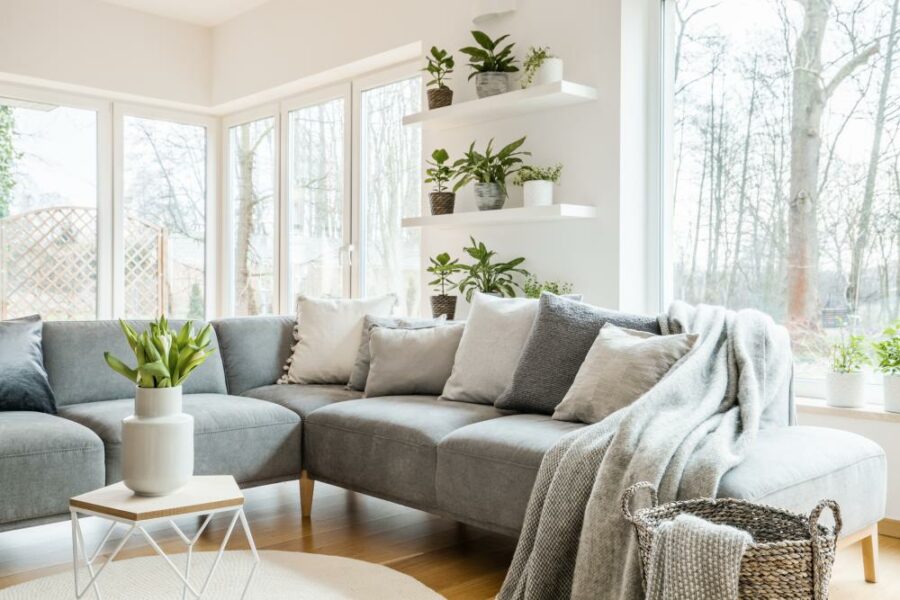
Scandinavian decor is beloved for its warmth, simplicity, and hygge-inspired charm. Originating from the Nordic countries, this style combines minimalism with cozy textures and natural elements to create inviting and comfortable spaces. It’s perfect for those who love a clean, airy look but crave warmth and coziness.
Key Features of Scandinavian Decor
- Color Palette: Light, neutral tones like white, soft gray, and pale blue, often paired with natural wood tones.
- Furniture: Light-colored wood furniture with clean lines and functional designs.
- Textiles: Plush rugs, knit throws, and soft cushions in neutral or muted colors.
- Decor Accents: Natural elements like plants, candles, and woven baskets add warmth and texture.
How to Incorporate Scandinavian Coziness
Start with a neutral color palette and add layers of texture through textiles like wool, linen, and cotton. Choose furniture made from light wood, such as oak or birch, to create a sense of openness. Incorporate plants to bring a touch of nature indoors and use soft lighting, such as candles or string lights, to create a cozy ambiance. Avoid clutter and keep surfaces clean and uncluttered.
3. Bohemian Eclecticism
Bohemian decor is all about self-expression, creativity, and a free-spirited vibe. This style embraces a mix of patterns, colors, and textures, often drawing inspiration from global cultures and vintage finds. If you love a vibrant, lived-in look that tells a story, bohemian decor might be the perfect fit.
Key Features of Bohemian Decor
- Color Palette: Rich, earthy tones like deep red, mustard yellow, and forest green, often mixed with metallic accents.
- Furniture: Vintage or handcrafted pieces with a mix of styles, textures, and finishes.
- Textiles: Layered rugs, embroidered fabrics, and macramé wall hangings.
- Decor Accents: Plants, global-inspired art, and collectibles from travels or flea markets.
How to Incorporate Bohemian Eclecticism
Start by mixing patterns and textures—think floral prints, geometric shapes, and tribal motifs. Layer rugs of different sizes and materials to add depth to your floors. Incorporate vintage furniture and accessories, such as a Moroccan-style lantern or a kilim rug, to create a sense of wanderlust. Don’t be afraid to experiment with bold colors and eclectic combinations to create a space that feels uniquely yours.
4. Industrial Chic
Industrial decor draws inspiration from old factories and warehouses, celebrating raw, unfinished materials and exposed structural elements. This style is perfect for urban dwellers who love a rugged, edgy aesthetic with a touch of urban sophistication.
Key Features of Industrial Chic
- Color Palette: Neutral tones like black, gray, and brown, often paired with metallic accents like copper or brass.
- Materials: Exposed brick, concrete, steel, and reclaimed wood.
- Furniture: Furniture with a utilitarian look, such as metal stools, leather armchairs, and heavy-duty tables.
- Decor Accents: Vintage signs, Edison bulbs, and industrial-style lighting fixtures.
How to Incorporate Industrial Chic
Expose structural elements like brick walls, beams, or ductwork to highlight the industrial aesthetic. Use materials like concrete for countertops or floors, and incorporate metal furniture or accessories. Opt for lighting with exposed bulbs or cage-style fixtures to enhance the raw, unfinished look. Balance the ruggedness with soft textiles like leather or wool to add warmth and comfort.
5. Mid-Century Modern
Mid-century modern decor emerged in the mid-20th century and remains a timeless favorite for its sleek lines, organic curves, and functional design. This style combines simplicity with a touch of retro flair, making it perfect for those who love a vintage-inspired yet contemporary look.
Key Features of Mid-Century Modern
- Color Palette: Warm, earthy tones like mustard yellow, olive green, and rust orange, often paired with teak wood and black accents.
- Furniture: Iconic pieces with tapered legs, organic shapes, and clean lines, such as Eames chairs or tulip tables.
- Materials: Teak wood, molded plastic, and polished metal.
- Decor Accents: Atomic-age clocks, abstract art, and ceramic vases.
How to Incorporate Mid-Century Modern
Invest in iconic mid-century furniture pieces or look for vintage finds that capture the essence of the style. Choose furniture with tapered legs and organic shapes to create a sense of movement. Incorporate warm wood tones and bold, geometric patterns in textiles and wall art. Keep the space uncluttered and focus on functionality to maintain the clean, modern aesthetic.
6. Coastal Retreat
Coastal decor brings the serene and breezy vibes of the seaside into your home. This style is all about light, airy spaces, natural textures, and a color palette inspired by the ocean and sky. Whether you live near the coast or just love the idea of a beachy escape, this decor style can transform your space into a tranquil retreat.
Key Features of Coastal Retreat
- Color Palette: Soft blues, whites, sandy beiges, and seafoam greens.
- Materials: Wicker, rattan, driftwood, and linen.
- Furniture: Light-colored wood or painted furniture with a weathered finish.
- Decor Accents: Shells, nautical ropes, glass jars filled with sand, and beach-themed artwork.
How to Incorporate Coastal Retreat
Start with a light and airy color palette, and layer textures like linen, cotton, and jute to create a beachy feel. Incorporate natural materials such as driftwood or coral for decorative accents. Use furniture with a weathered or painted finish to enhance the coastal vibe. Add subtle nautical touches, like striped pillows or a rope-wrapped mirror, to complete the look.
7. Japandi: The Fusion of Japanese and Scandinavian Styles
Japandi is a harmonious blend of Japanese and Scandinavian design philosophies, combining minimalism, functionality, and natural elements. This style emphasizes simplicity, tranquility, and a deep connection to nature, making it ideal for those who appreciate a calm and balanced living space.
Key Features of Japandi
- Color Palette: Warm neutrals like beige, soft brown, and cream, with occasional dark accents.
- Materials: Natural wood, bamboo, stone, and linen.
- Furniture: Low-profile, functional pieces with clean lines and organic shapes.
- Decor Accents: Handmade ceramics, woven baskets, and bonsai plants.
How to Incorporate Japandi
Focus on natural materials and muted colors to create a sense of harmony and balance. Choose furniture with simple, functional designs and avoid excessive ornamentation. Incorporate handmade or artisanal pieces to add warmth and character. Use soft lighting and natural textures to enhance the serene and tranquil atmosphere.
8. Maximalist Glamour
If minimalism isn’t your style, maximalist glamour might be the perfect fit. This decor style embraces bold colors, luxurious textures, and an abundance of decorative elements to create a space that feels opulent and extravagant. Think rich velvets, metallic finishes, and statement furniture pieces that demand attention.
Key Features of Maximalist Glamour
- Color Palette: Rich, saturated colors like emerald green, royal blue, and deep purple, often paired with gold or silver accents.
- Materials: Velvet, silk, marble, and lacquered wood.
- Furniture: Statement pieces like tufted sofas, ornate mirrors, and gilded tables.
- Decor Accents: Crystal chandeliers, framed mirrors, and bold artwork.
How to Incorporate Maximalist Glamour
Start with a bold color palette and layer textures like velvet, silk, and metallic finishes to create a luxurious feel. Choose statement furniture pieces, such as a tufted sofa or an ornate bed frame, to anchor the space. Incorporate decorative elements like crystal chandeliers, mirrored surfaces, and framed art to add glamour and sophistication. Don’t be afraid to mix patterns and textures for a truly maximalist look.
9. Rustic Farmhouse
Rustic farmhouse decor brings the charm of rural living into your home, combining natural wood, vintage finds, and cozy textiles. This style is perfect for those who love a warm, inviting, and lived-in aesthetic with a touch of nostalgia.
Key Features of Rustic Farmhouse
- Color Palette: Earthy tones like brown, beige, cream, and soft green.
- Materials: Reclaimed wood, stone, wrought iron, and linen.
- Furniture: Vintage or distressed furniture with a weathered finish.
- Decor Accents: Mason jars, galvanized metal accents, and vintage signs.
How to Incorporate Rustic Farmhouse
Incorporate reclaimed wood for furniture or accent walls to add rustic charm. Choose vintage or distressed furniture with a weathered finish to enhance the farmhouse aesthetic. Use textiles like linen, burlap, and wool to add warmth and coziness. Decorate with vintage-inspired accents, such as mason jars, galvanized metal buckets, or framed botanical prints, to complete the look.
10. Art Deco Glamour
Art Deco is a bold and glamorous decor style that originated in the 1920s and 1930s. Known for its geometric patterns, rich colors, and luxurious materials, this style is perfect for those who love a sophisticated and elegant aesthetic with a touch of retro flair.
Key Features of Art Deco
- Color Palette: Rich, jewel tones like emerald green, sapphire blue, and ruby red, often paired with gold or chrome accents.
- Materials: Lacquered wood, mirrored surfaces, chrome, and exotic woods like ebony or zebrawood.
- Furniture: Furniture with geometric shapes, mirrored finishes, and luxurious upholstery.
- Decor Accents: Geometric mirrors, sunburst clocks, and bold artwork with symmetrical patterns.
How to Incorporate Art Deco Glamour
Start with a rich, jewel-toned color palette and incorporate metallic accents like gold or chrome to add glamour. Choose furniture with geometric shapes and mirrored finishes to capture the Art Deco aesthetic. Use bold patterns, such as chevrons or sunbursts, in textiles and wallpaper to create visual interest. Incorporate statement lighting fixtures, like a chandelier or sconces, to enhance the luxurious feel.
Tips for Mixing and Matching Decor Styles
While exploring these decor styles, don’t feel limited to just one. Mixing and matching elements from different styles can result in a truly unique and personalized space. Here are some tips to help you blend styles seamlessly:
1. Stick to a Cohesive Color Palette
Choose a color palette that ties different styles together. For example, a neutral base with pops of color can work well with both modern minimalism and maximalist glamour.
2. Balance Textures and Patterns
When mixing styles, balance textures and patterns to create harmony. For instance, pair a sleek modern sofa with a bohemian-style rug to add warmth and visual interest.
3. Use a Dominant Style as a Foundation
Select one style as the foundation for your space and incorporate elements from other styles as accents. This approach ensures that your decor feels cohesive rather than chaotic.
4. Edit and Curate Carefully
When combining styles, edit your decor carefully to avoid clutter. Choose a few statement pieces from each style to create a curated and intentional look.
5. Experiment with Lighting
Lighting can dramatically alter the feel of a space. Use different lighting fixtures, such as pendant lights, floor lamps, or candles, to enhance the ambiance of your mixed-style decor.
Final Thoughts
Your home should be a reflection of who you are, and experimenting with different decor styles is a fantastic way to create a space that feels uniquely yours. Whether you’re drawn to the simplicity of modern minimalism, the coziness of Scandinavian decor, or the boldness of maximalist glamour, there’s a style out there that will resonate with you. Don’t be afraid to take risks, mix elements, and make your space a true representation of your personality and lifestyle.
Start small by incorporating one or two elements from a new style, and gradually build your vision. Remember, the best home decor is the one that makes you feel happy, comfortable, and inspired every time you walk through the door. Happy decorating!