For any commercial property owner or facility manager, the roof is arguably the most critical component of the building envelope. It is the primary line of defense against the relentless assault of the elements, protecting millions of dollars in inventory, equipment, and structural integrity. Yet, because it is out of sight, it is often out of mind—until a leak or catastrophic failure occurs. Understanding how various weather conditions affect a commercial roof, particularly those common in flat or low-slope construction is the first and most crucial step toward proactive prevention and maintenance. The truth is that nature subjects your roof to daily stress, and ignoring these cumulative effects is the fastest route to expensive and disruptive repairs.
The fundamental damage to commercial roofing services is often caused not by a single dramatic storm, but by the relentless, cyclical stress of temperature extremes, ultraviolet radiation, and water infiltration. This cycle weakens the materials, breaks down seals, and creates vulnerabilities that a major storm will inevitably exploit. Effective roof management is therefore a perpetual battle against the environment, requiring strategic vigilance and timely intervention.
The Silent Killer: Thermal Shock and UV Rays
One of the most insidious threats to a commercial roof is not visible during a storm but occurs every day: thermal shock. Commercial roofs, especially those made of materials like TPO, PVC, or modified bitumen, absorb a tremendous amount of heat. On a sunny day, the surface temperature can easily climb to over 160°F (71°C). When a sudden thunderstorm or a cool evening arrives, that temperature can drop rapidly by 70 degrees or more.
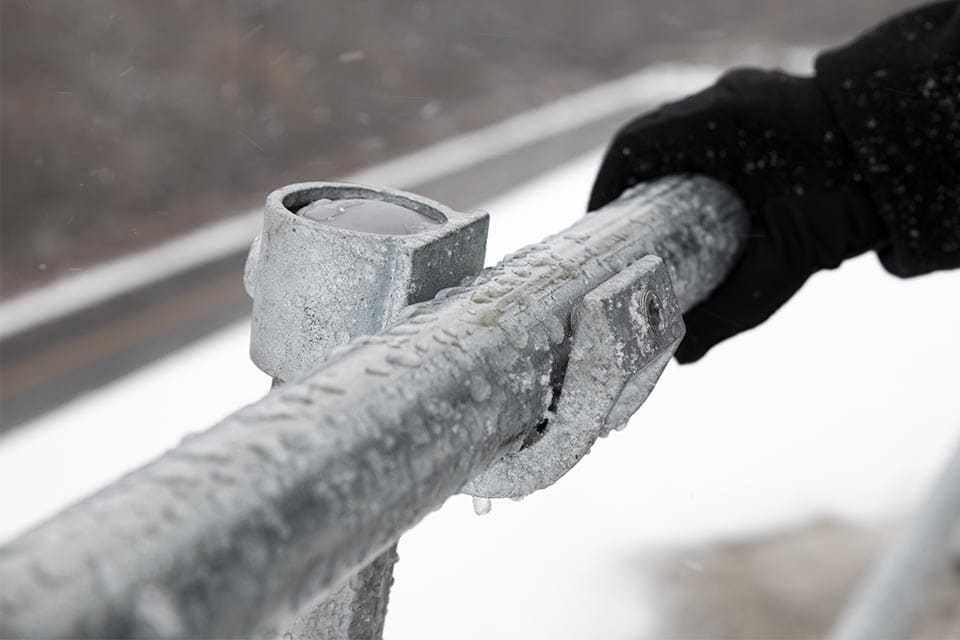
This rapid, cyclical expansion and contraction—thermal shock—puts incredible stress on all materials. It causes the roof membrane to stretch and pull at seams, flashings, and vulnerable penetration points, leading to fatigue and eventual tearing. Over time, it weakens the membrane’s elasticity. Compounding this is ultraviolet (UV) radiation. The sun’s UV rays cause the roof membrane to chalk, fade, and chemically break down, a process known as photo-oxidation. For single-ply membranes, UV exposure makes the material brittle, leading to cracking and shrinkage, which pulls the membrane tight and concentrates stress at the corners and edges.
Prevention and Maintenance Tip: Implement a reflective coating. Applying a high-quality, light-colored (white or gray) elastomeric roof coating significantly reduces surface temperature, lowering thermal stress and protecting the membrane from direct UV exposure. Regular inspections should specifically check for seam separation and membrane shrinkage around HVAC curbs and vents.
The Relentless Force: Water and Ponding
Water is the most common cause of commercial roof failure. While rain is inevitable, a well-maintained roof should shed water efficiently. The problem arises when water accumulates in certain areas, leading to ponding. Ponding is defined as water that remains on the roof for 48 hours or longer after a rainfall.
Ponding water accelerates the degradation of all roofing materials. First, it adds significant weight to the structure, which can compromise the integrity of the roof deck over time. Second, the standing water acts as a magnifying glass for the sun’s UV rays, intensifying the damage to the membrane underneath. Third, and most dangerously, the continuous saturation breaks down the adhesives and seals in built-up roofs and weakens the membrane’s resistance to punctures and blistering. Over time, the materials underneath the ponding area—such as the insulation—will absorb the moisture, dramatically reducing the roof’s thermal efficiency and creating a prime environment for mold and mildew.
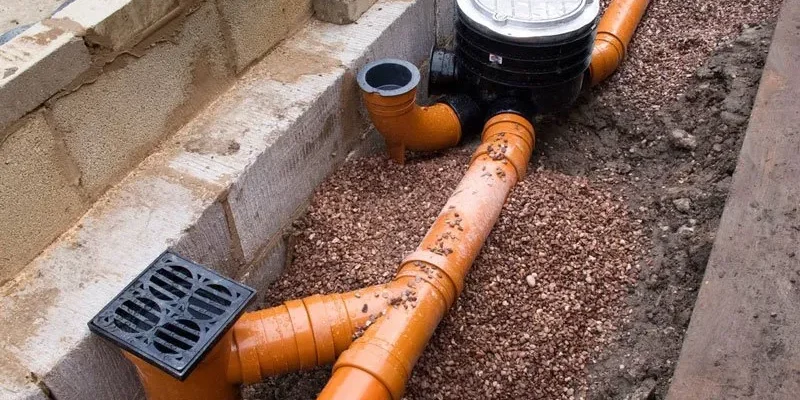
Prevention and Maintenance Tip: Ensure proper drainage. Regular maintenance must include clearing all roof drains, scuppers, and gutters of debris (leaves, dirt, and packaging). During an inspection, the contractor should identify and report any areas of standing water. Solutions can range from clearing internal roof drains to modifying the substrate or installing tapered insulation to improve the roof’s slope.
The Necessity of Proactive Maintenance
The single most effective strategy against weather-related roof damage is a structured, proactive maintenance program. Waiting for a leak is waiting too long; by the time water penetrates the building interior, the damage to the insulation and deck is already significant and costly.
Commercial roofs should be professionally inspected at least twice per year: once in the spring to assess any damage from winter weather (freezing, thawing, snow load) and once in the fall to prepare the roof for the coming winter. These inspections should include debris removal, checking the condition of all sealants and caulking around penetrations, inspecting the perimeter flashings, and documenting any signs of ponding or membrane damage. A minor repair, such as resealing a piece of flashing, costs a fraction of the price of replacing water-damaged insulation and drywall inside the building. By treating the roof as a critical, high-maintenance asset, facility managers can effectively win the perpetual battle against the elements, ensuring the longevity of their investment and the continuous protection of their business operations.